What Kind of Car Can $10,000 Buy in China Right Now?
By DianMa Auto · 2026-07-23 · Reviews
China doesn’t have America’s Ford or Chevy, nor Europe’s century-old legacy automakers like Mercedes, Volkswagen, or Citroën. Yet, China sold 34.4 million vehicles last year, maintaining its status as the world’s largest auto market for 17 consecutive years.
The Chinese auto market can no longer be understood through conventional logic. In this hyper-competitive environment, China is home to over a dozen major local brands. BYD has been the country’s sales champion for several years running, selling 4.6 million vehicles last year alone.
Because there are so many players, the market is fiercely competitive. From tech and features to pricing, automakers are locked in a brutal price war. The per-car profit for some brands is only a few hundred to a few thousand RMB. BYD’s financial reports show that its 2025 per-car profit is a mere 6,174 RMB (about $910).
In other words, while profit margins for Chinese automakers are razor-thin, cars are incredibly cheap for Chinese consumers.
If you were in Europe or North America, $10,000 would barely get you a decent used car. At the current exchange rate,$10,000 equals roughly 67,700 RMB. But in China, that’s more than enough to drive home a brand-new, tech-loaded EV.
Based on the 2025 full-year sales ranking published by the China Passenger Car Association (CPCA), I’ve selected five models. All of them are priced around or under $10,000—some start as low as$4,400—and these aren’t obscure econoboxes. The top seller moved 460,000 units, and even the lowest seller on this list moved over 120,000.
No. 1: Geely Xingyuan (Geely EX2)
2025 Sales: ~466,000 units
Price: 68,800–98,800 RMB (~$10,160–$14,590)
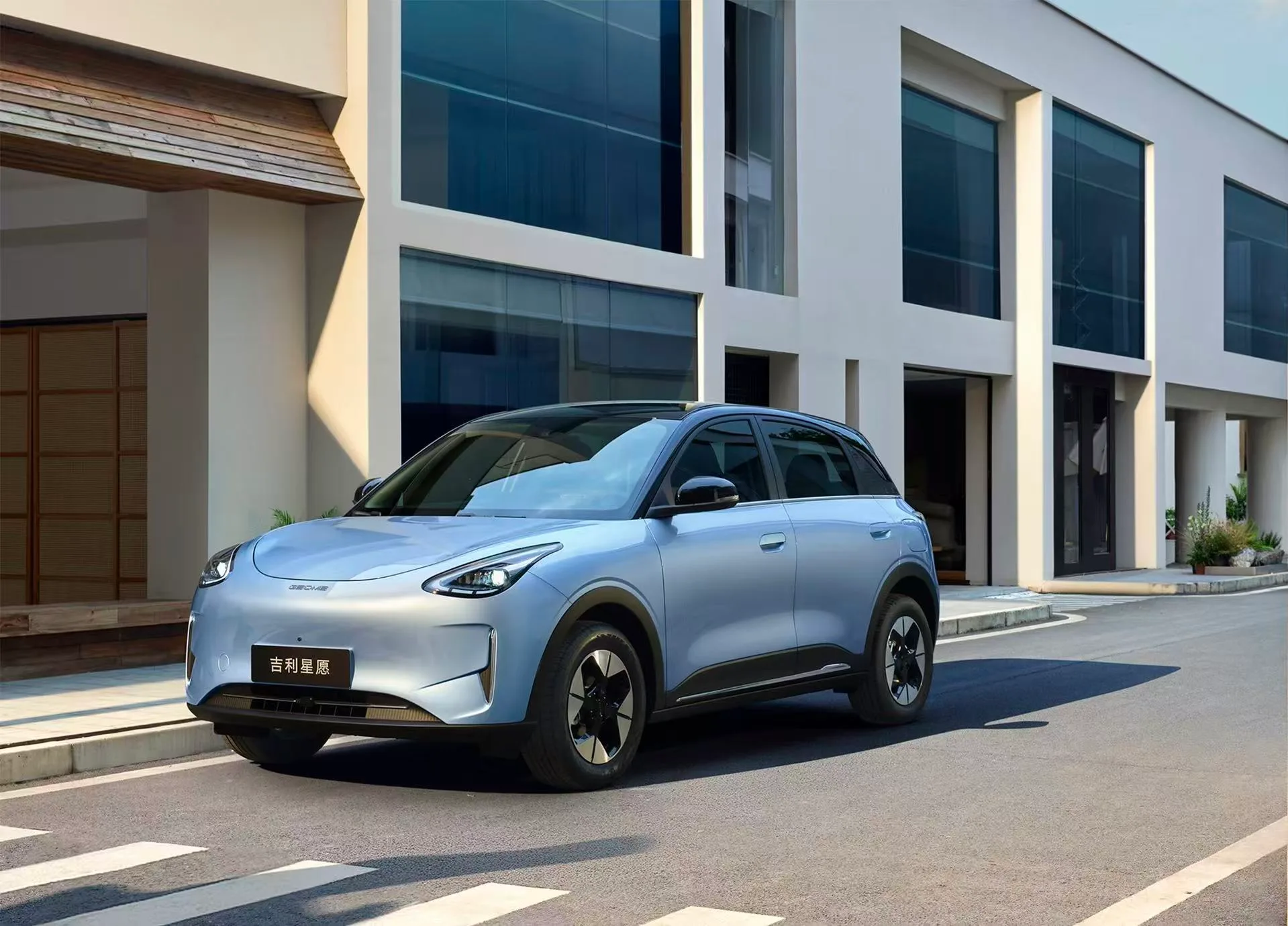 The Geely Xingyuan is China’s best-selling single model in 2025, bar none. This subcompact EV launched in October 2024 and took just one year to rocket to the top of the sales charts, averaging nearly 40,000 sales per month.
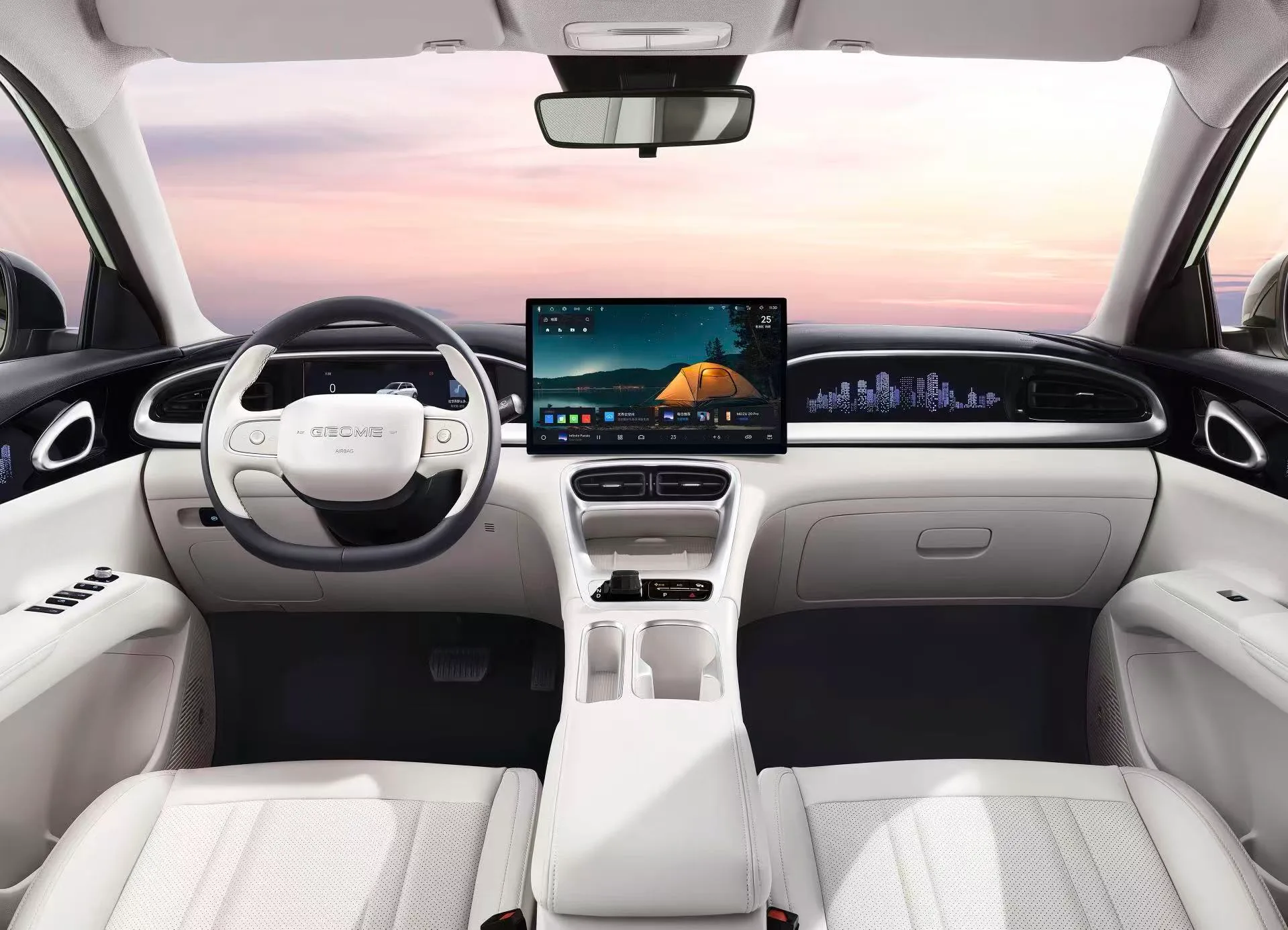 The Xingyuan is precisely positioned. Its dimensions (162.8 x 71.1 x 61.8 inches, 104.3-inch wheelbase) offer a roomy 5-seat layout, complete with a 70L frunk and a maximum 1,320L trunk capacity. Mechanically, it features a rear-motor, rear-wheel-drive (RWD) layout paired with a multi-link independent rear suspension, delivering a surprisingly refined driving feel.
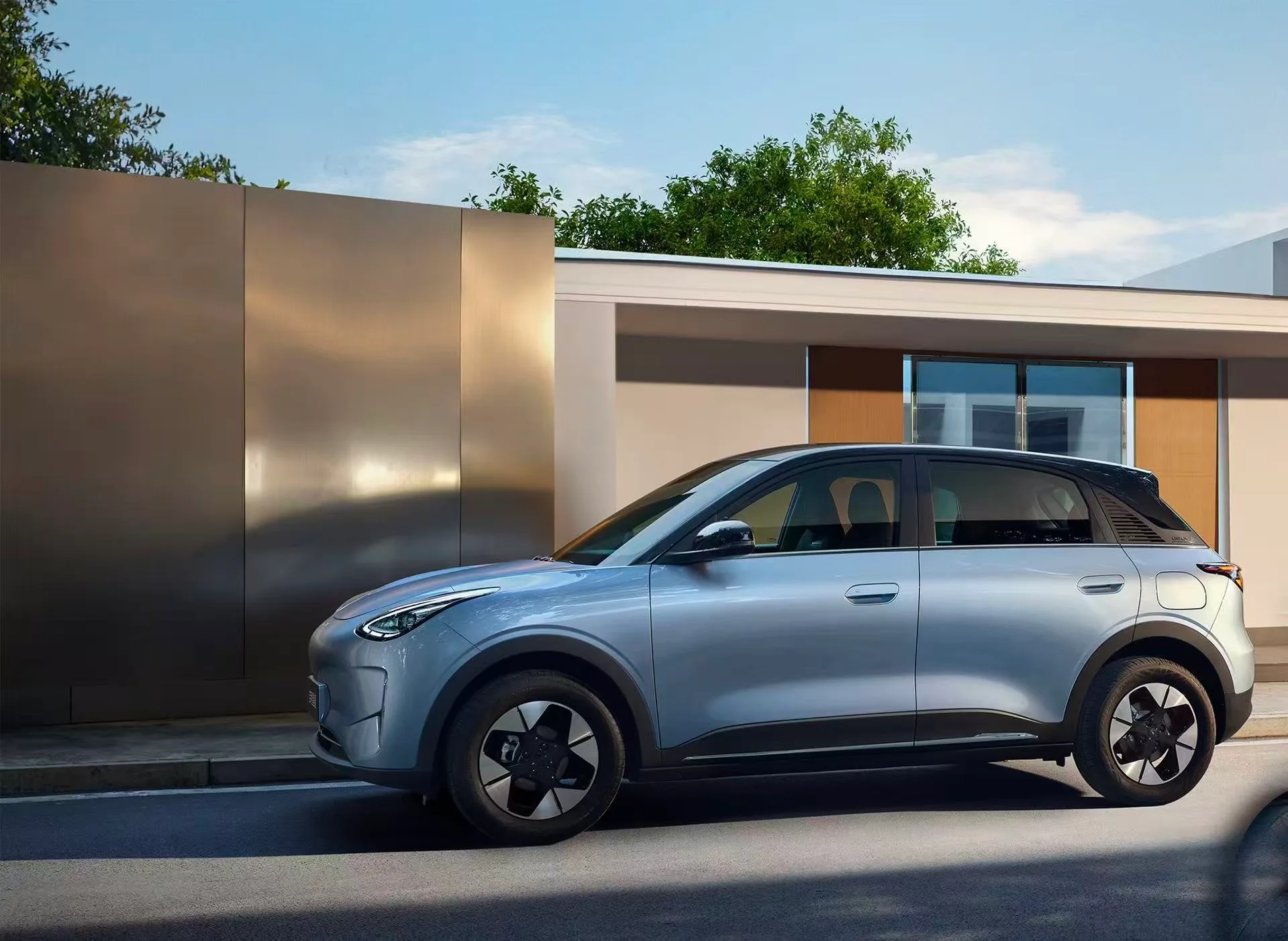 Under the CLTC test cycle, the range is 193–255 miles (310–410 km). Inside, it runs on Geely’s Flyme Auto infotainment system, featuring a highly responsive 14.6-inch touchscreen with full voice control and smartphone integration.
Aside from its killer value, the Xingyuan’s excellent exterior design is a major reason it sells so well. On looks alone, it has won the hearts of many female drivers.
No. 2: Wuling MINIEV
2025 Sales: ~436,000 units
Price: 29,800–62,800 RMB (~$4,400–$9,280)
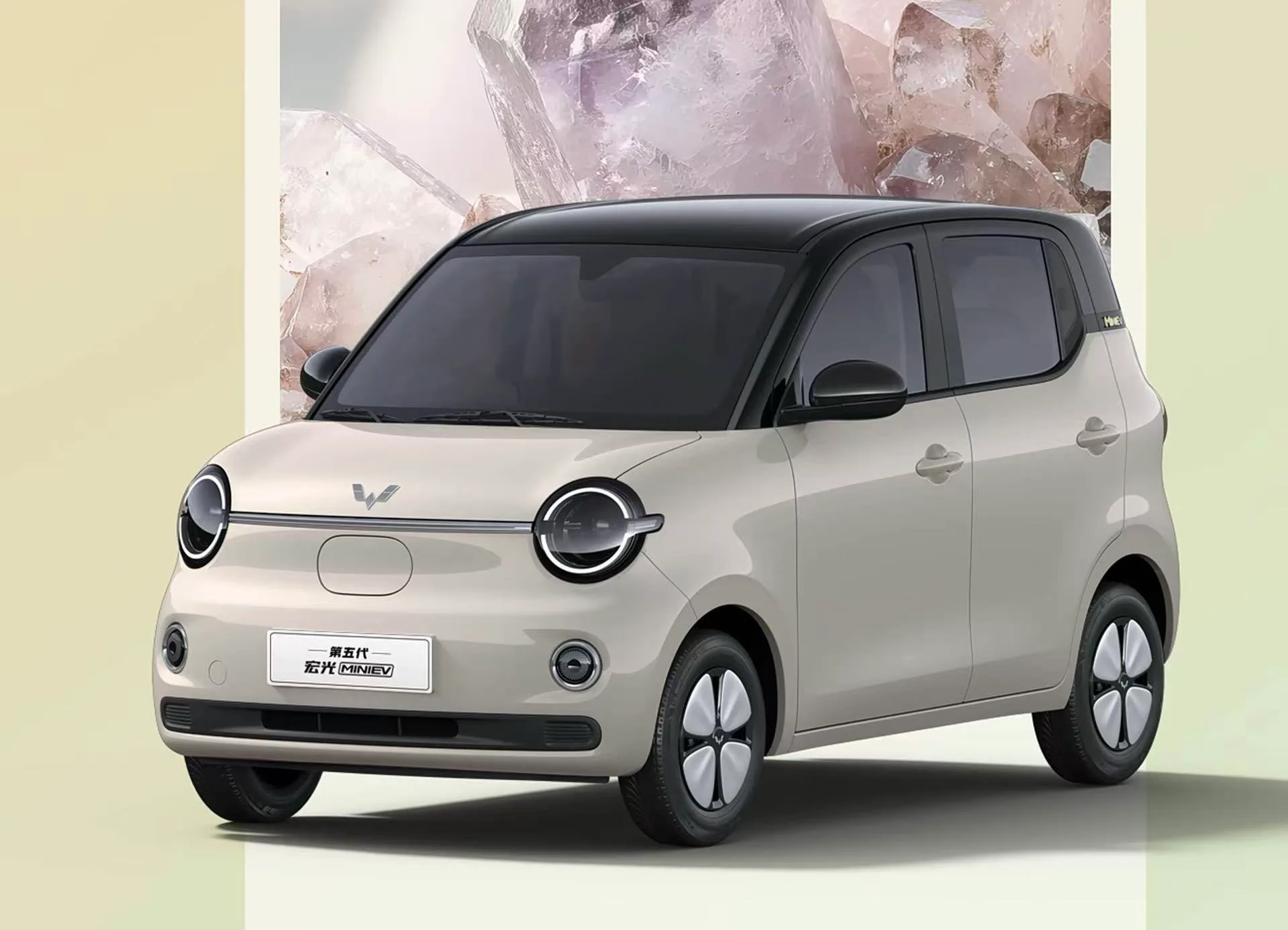 If there is one car that completely shattered the global perception that “EVs must be expensive,” it’s the Wuling MINIEV.
Since its launch in 2020, this micro-EV has dominated the small EV sales charts in China and globally, moving 436,000 units in 2025.
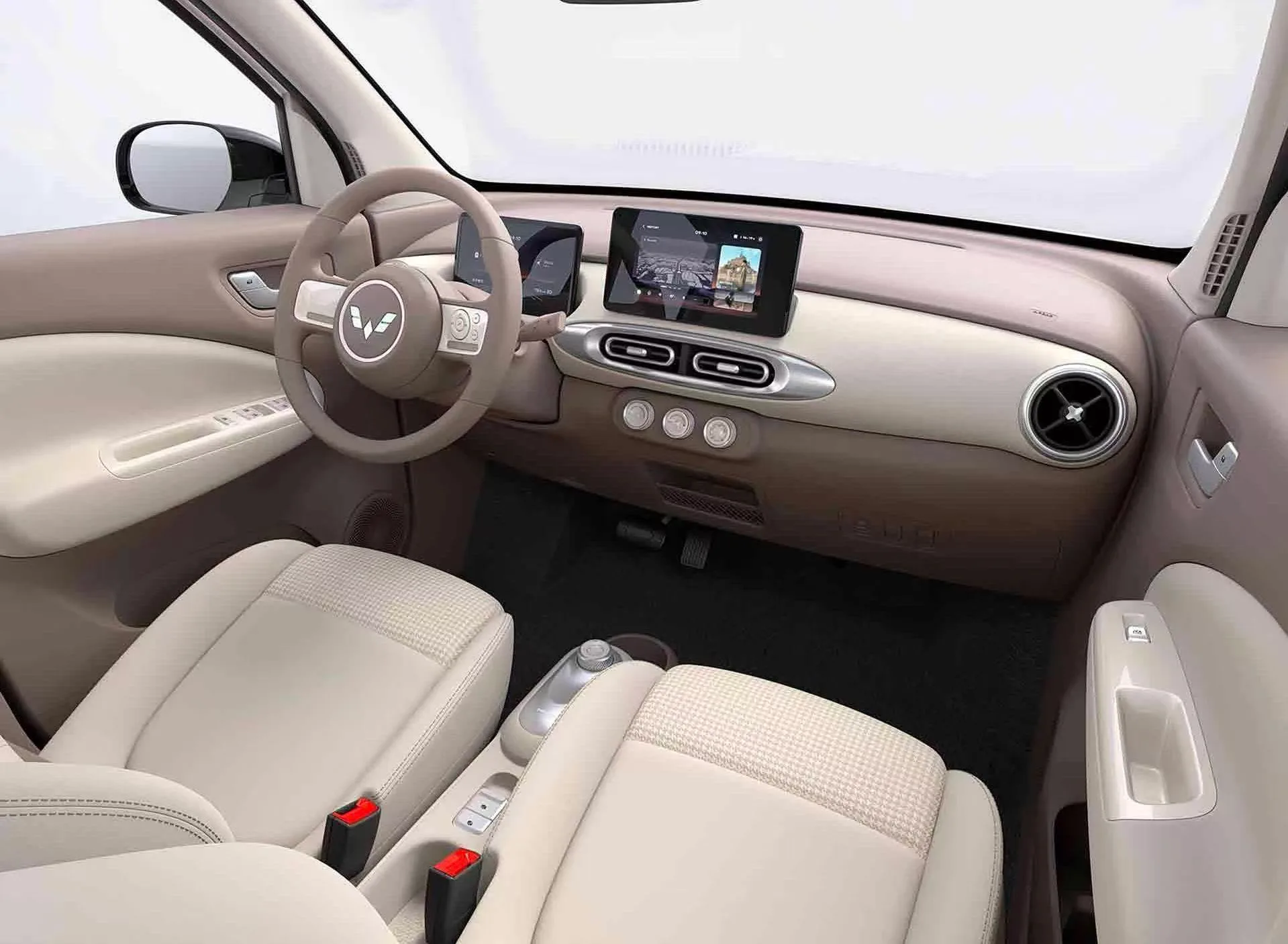 The MINIEV’s ultimate weapon is its price—the base model starts at under 30,000 RMB, which is about $4,430. It’s essentially “motorcycle pricing with car privileges.”
The four-door version is about 10.7 feet (3.27 meters) long (the older two-door was 9.6 feet), making it incredibly nimble for navigating congested Chinese cities. Depending on the battery, range covers 75 to 186 miles (120 to 300 km), with the larger battery easily handling daily urban commuting.
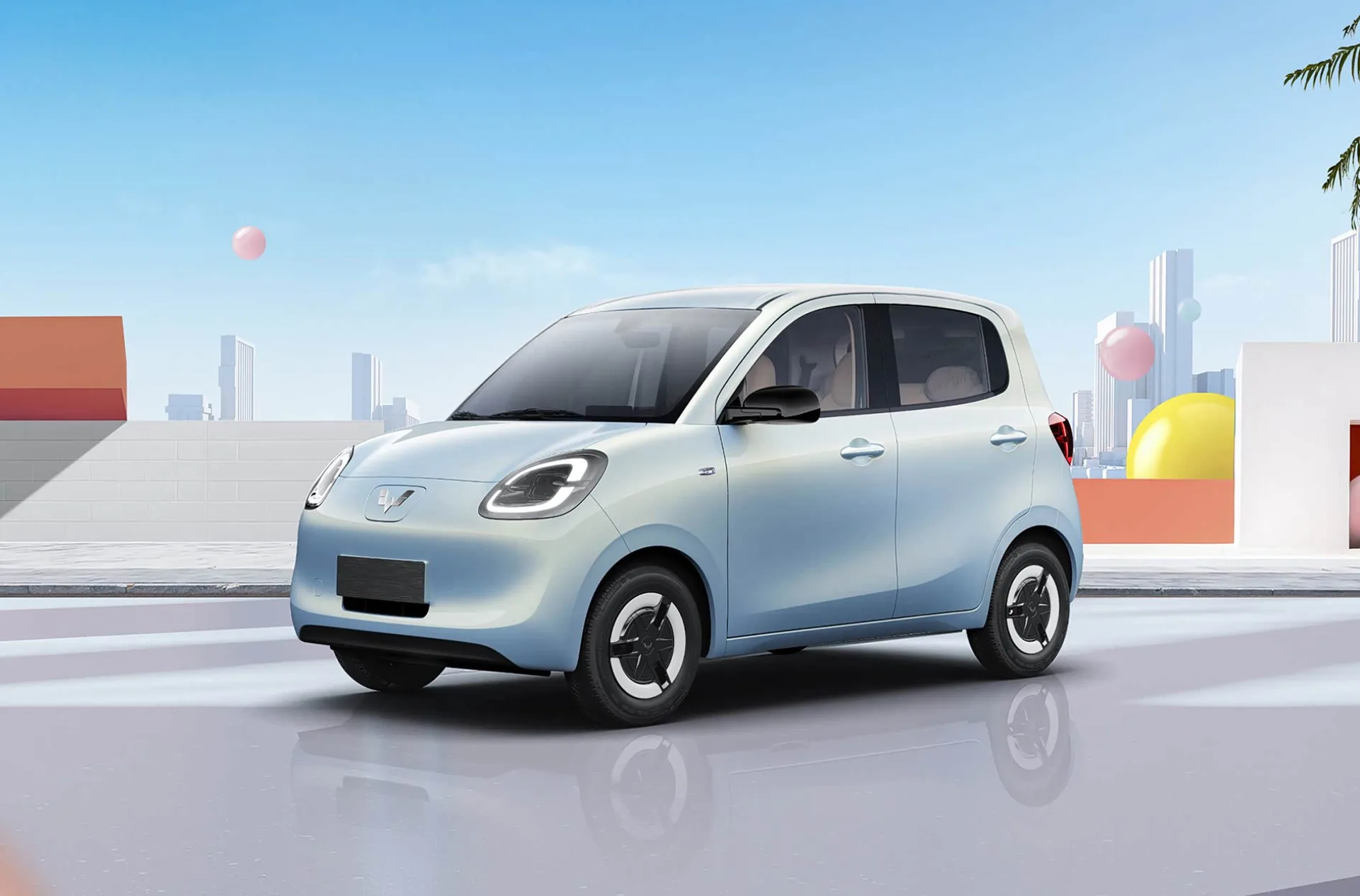 This isn’t a car for driving enthusiasts, but at its rock-bottom price, it has allowed millions of Chinese families to ditch motorcycles and public transit.
No. 3: BYD Seagull (Overseas name: BYD Dolphin Surf)
2025 Sales: ~445,000 units
Price: 69,800–85,800 RMB (~$10,310–$12,690)
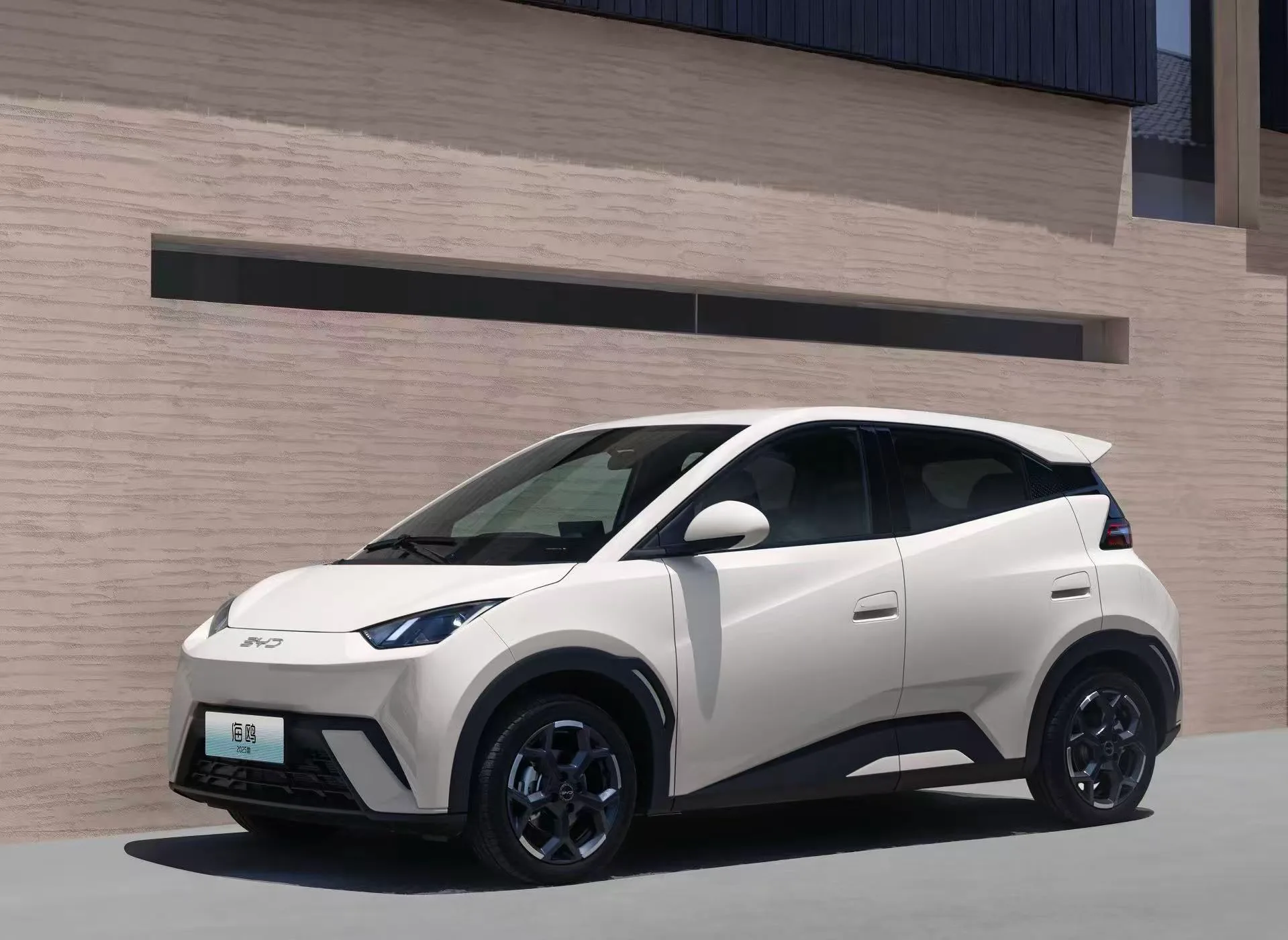 The BYD Seagull—recently launched overseas as the Dolphin Surf—is a car that gives global automotive engineers cold sweats. Built on BYD’s e-Platform 3.0, it features full Blade Battery tech, a professional-grade thermal management system, and BYD’s proprietary 8-in-1 electric drive architecture, yet keeps the price starting at just over $10,000.
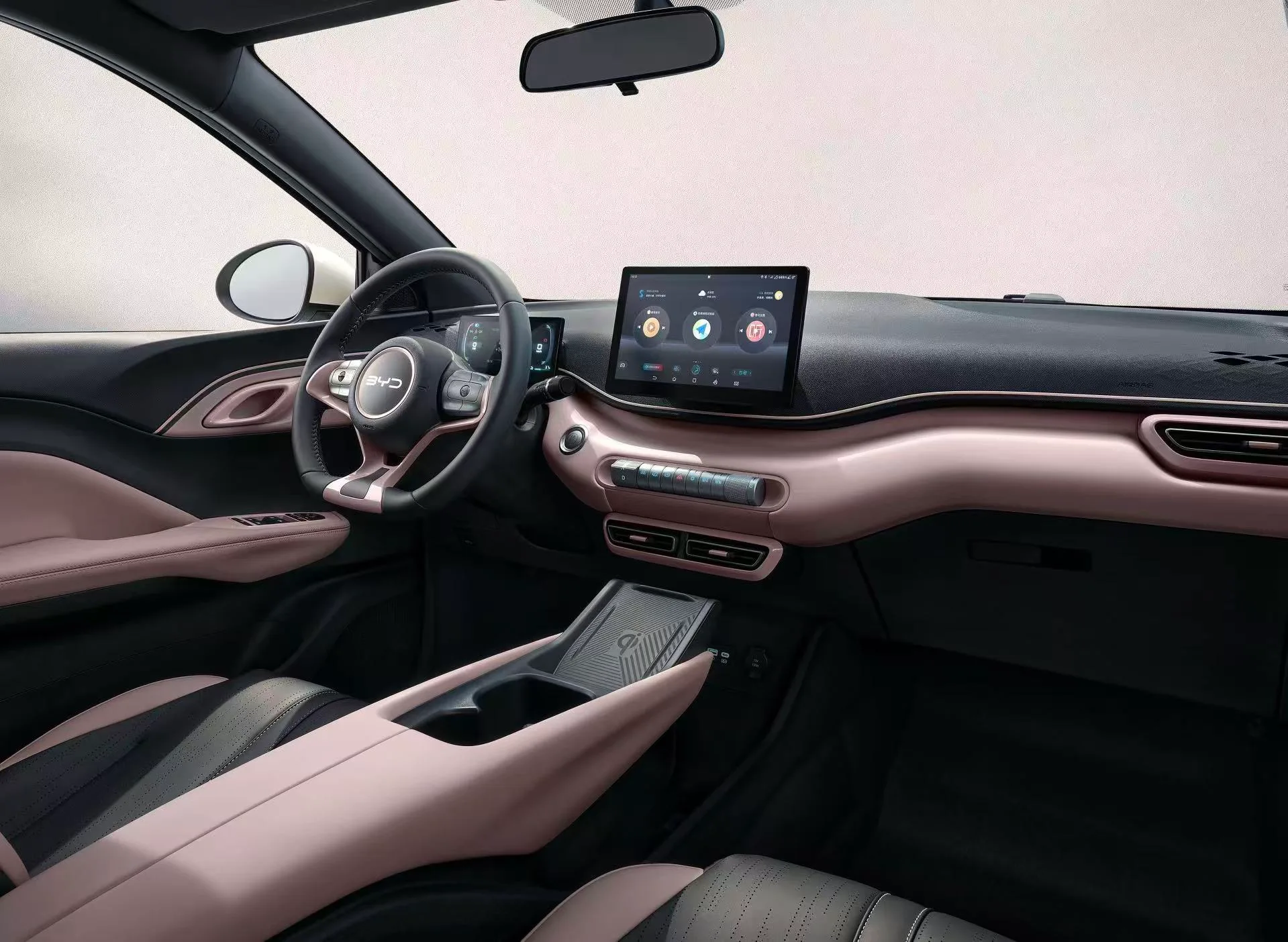 Its dimensions (148.8 x 67.5 x 60.6 inches, 98.4-inch wheelbase) put it squarely in the city car class.
The powertrain features a 55kW front-mounted permanent magnet synchronous motor delivering 135 N·m of torque. It hits 0–31 mph (0–50 km/h) in just 4.9 seconds and reaches a top speed of 80 mph (130 km/h).
The battery comes in two sizes: a 30.08kWh version with a 190-mile (305 km) CLTC range, and a 38.88kWh version reaching 252 miles (405 km). All versions support DC fast charging, zapping from 30% to 80% in just 30 minutes.
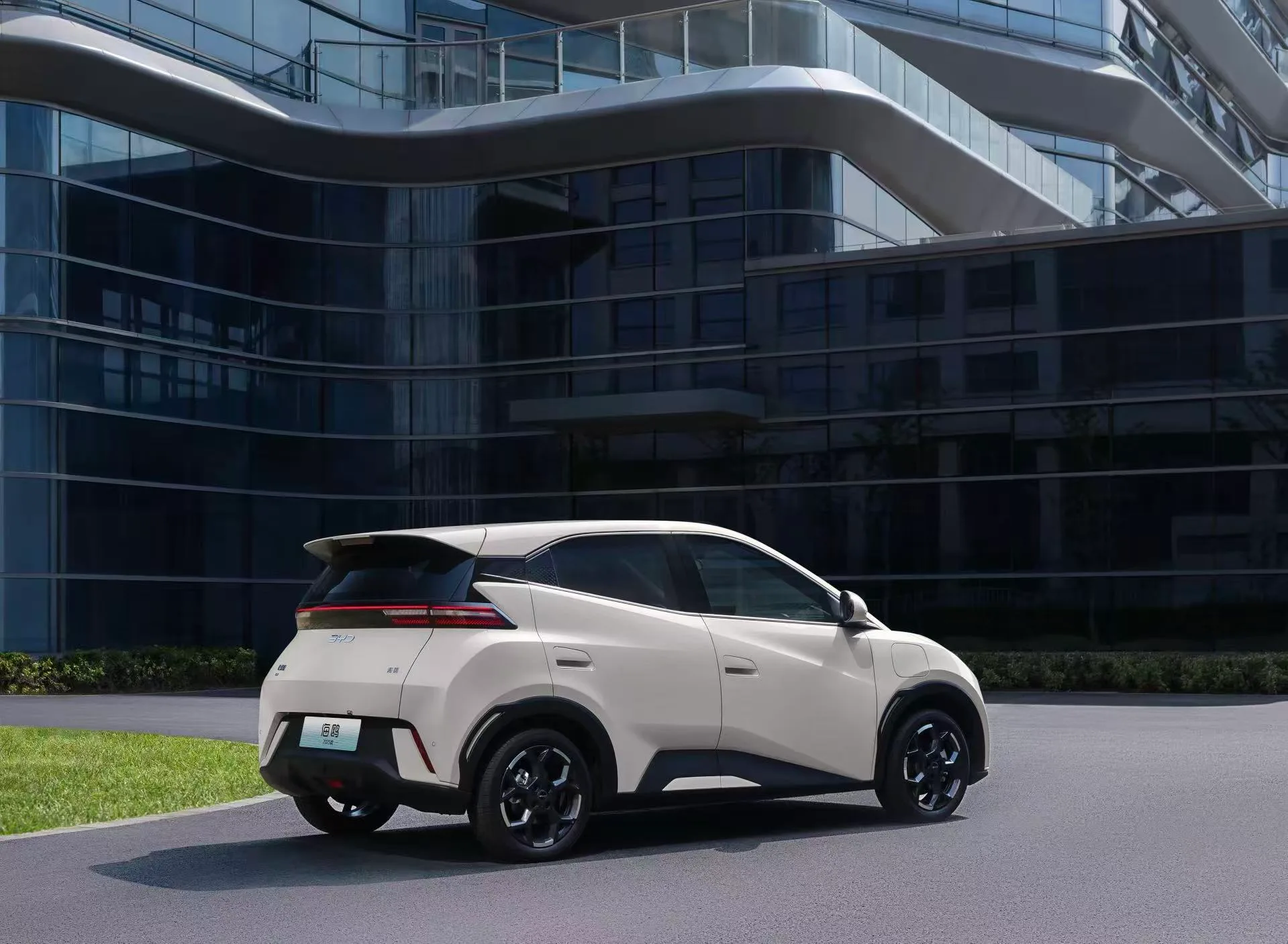 Inside, it boasts a 10.1-inch adaptive rotating touchscreen running BYD’s DiLink smart system, supporting OTA upgrades, voice interaction, and phone mirroring.
Overall, the Seagull might be the highest-tech pure EV in the world at this price point.
No. 4: BYD Qin Plus DM-i
2025 Sales: ~350,000–400,000 units
Price: 79,800–125,800 RMB (~$11,790–$18,580)
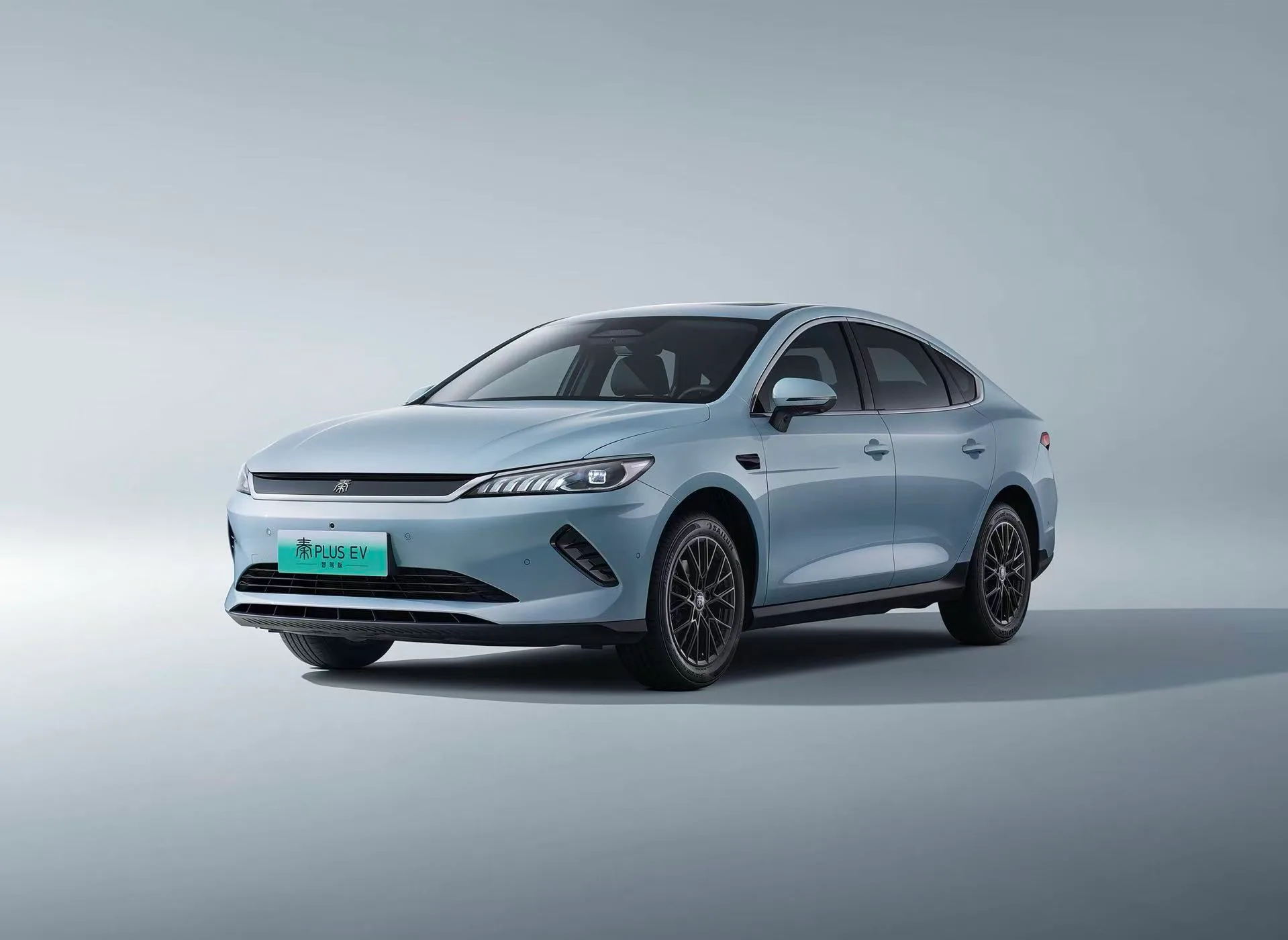 The BYD Qin Plus DM-i is the kind of car that keeps Japanese hybrid engineers awake at night.
This compact plug-in hybrid (PHEV) sedan is equipped with BYD’s 5th-generation DM-i Super Hybrid technology. In charge-sustaining mode (when the battery is low), fuel consumption is as low as 3.8L/100km (about 62 MPG). With a full tank and battery, combined range exceeds 773 miles (1,245 km).
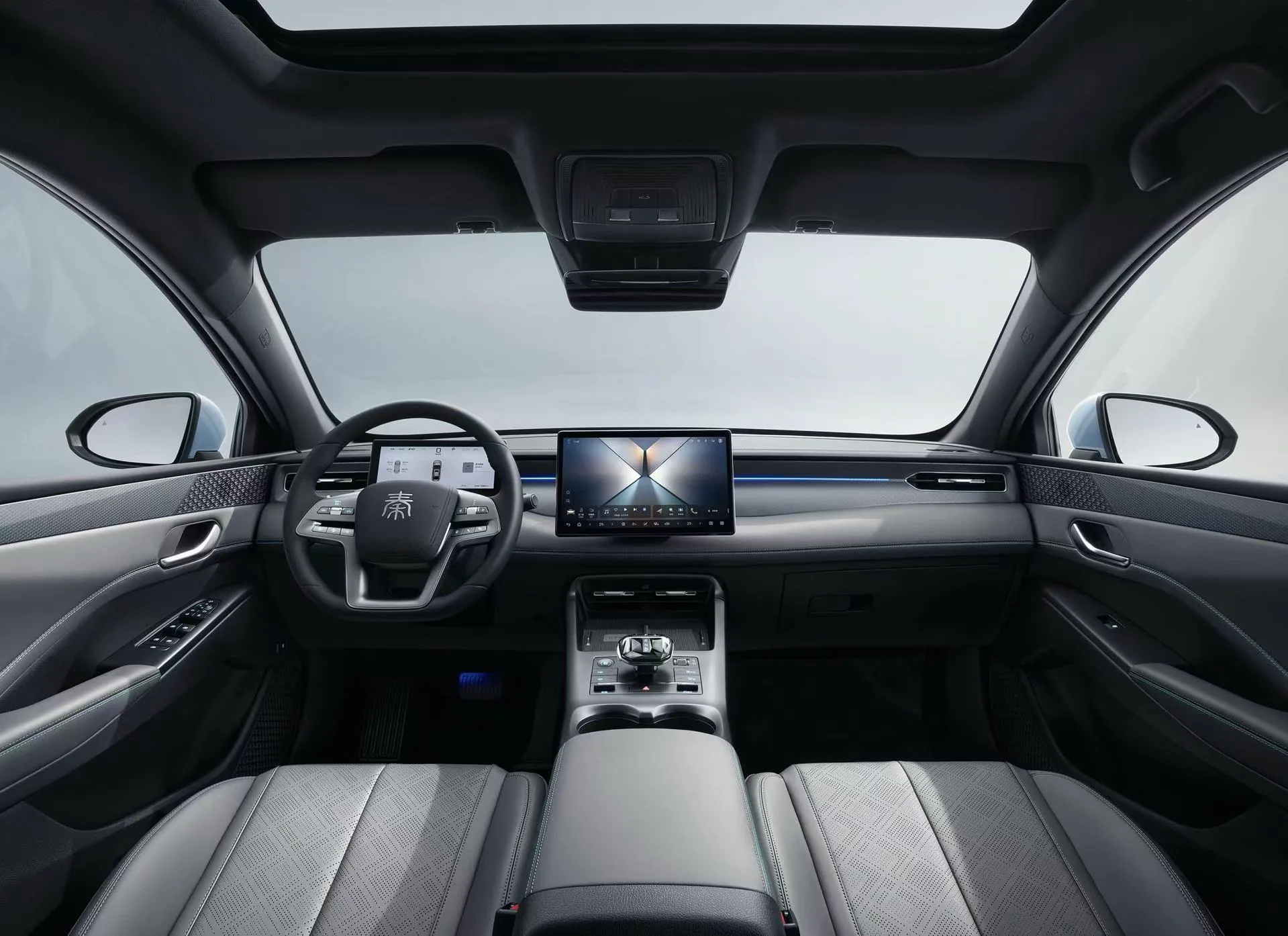 The base price starts at 79,800 RMB (~$11,790). While this exceeds our$10,000 benchmark, limited-time regional incentives currently drop the actual transaction price to 69,800 RMB (~$10,310). This car is the workhorse model that fueled BYD’s explosive sales growth.
Its pure electric range covers 50–75 miles (80–120 km), easily handling the daily commute as a pure EV. For road trips, the gas engine seamlessly kicks in, completely eliminating range anxiety.
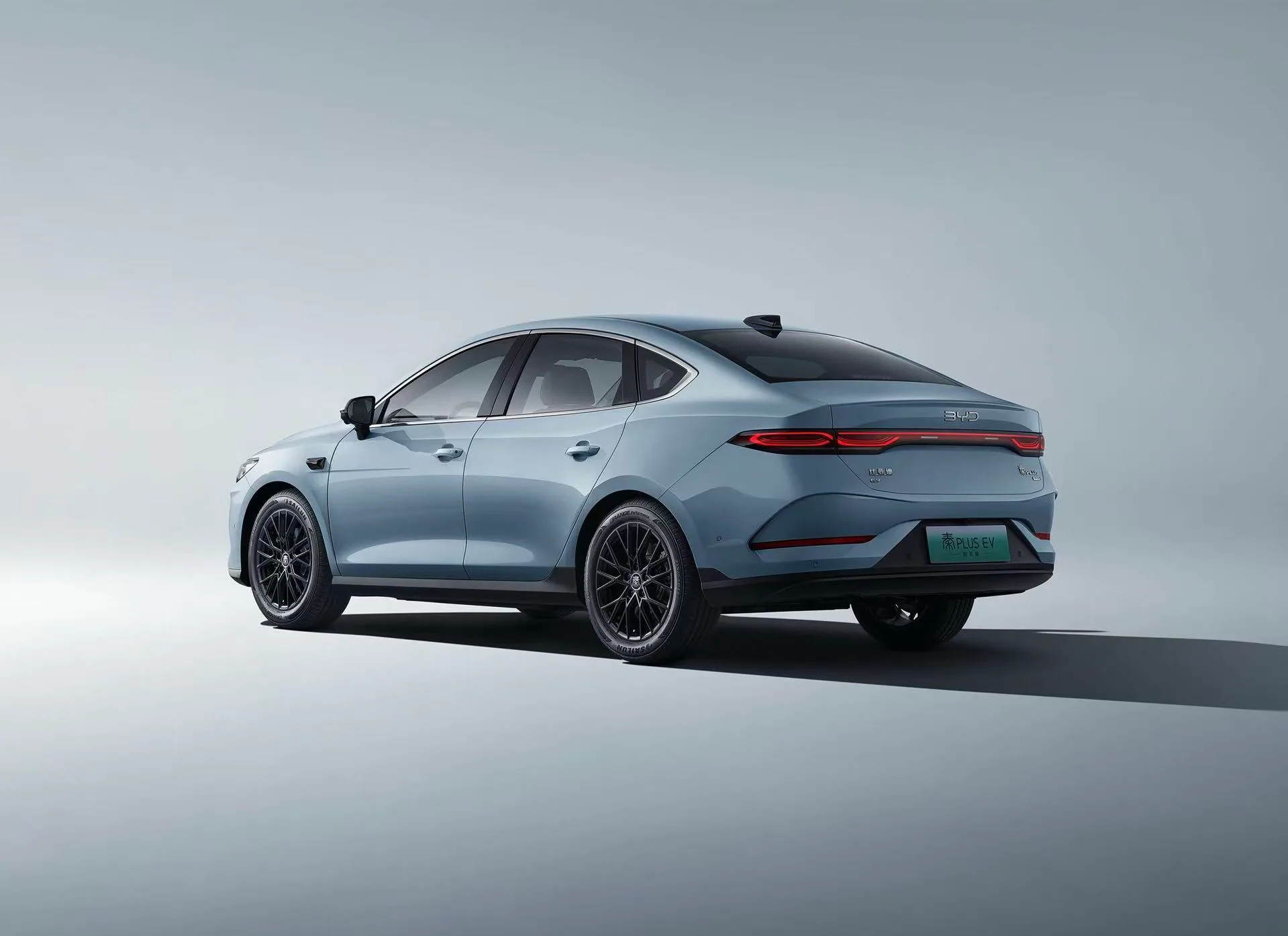 The motor delivers 184 horsepower (135kW) and 280 N·m of torque, hitting 0–100 km/h (0–62 mph) in about 7.3 seconds. Its dimensions (187.6 x 72.3 x 58.9 inches, 107-inch wheelbase) make it noticeably larger than a Honda Civic.
No. 5: Wuling Bingo
2025 Sales: ~120,000–150,000 units
Price: 56,800–84,800 RMB (~$8,390–$12,530)
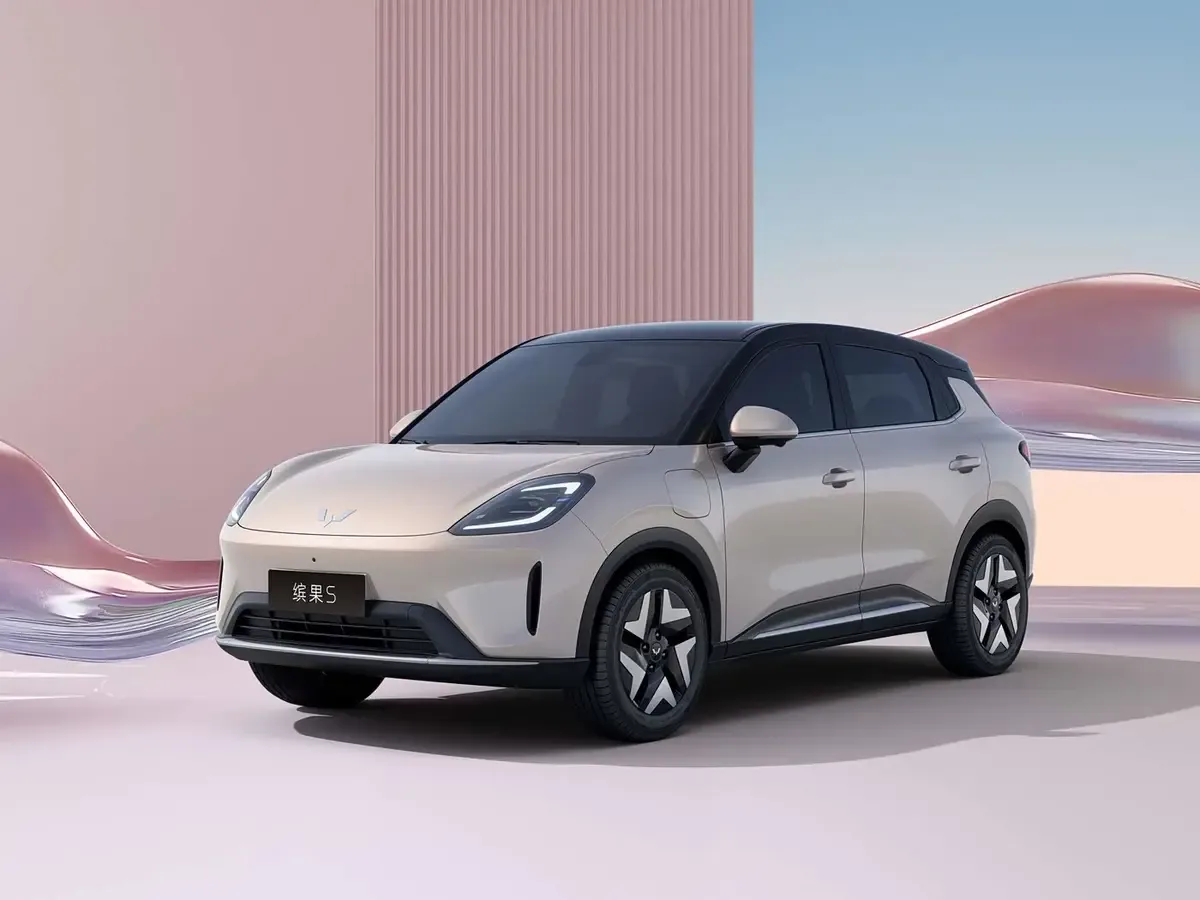 Bigger than the MINIEV but cheaper than the Seagull, the Wuling Bingo is another absolute pricing disruptor.
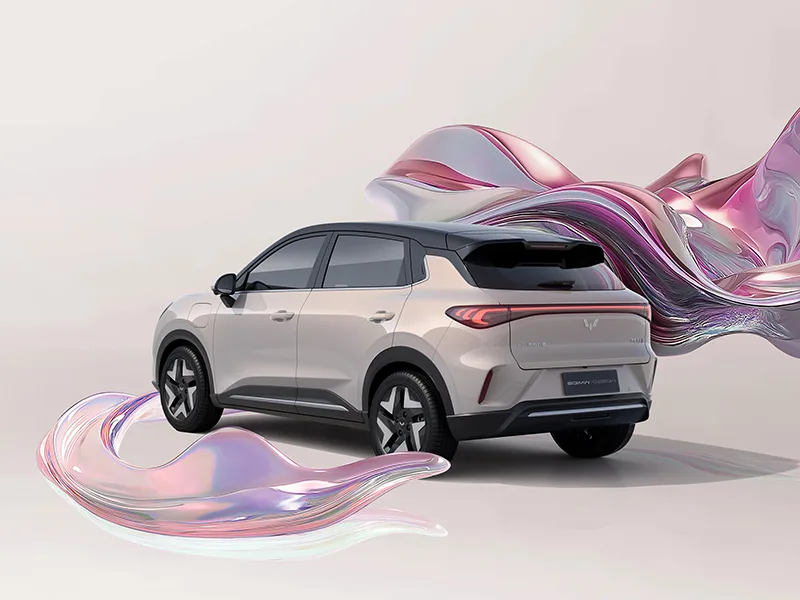
Its cute, rounded exterior makes it hugely popular among female drivers. Its dimensions (159.4 x 68.1 x 62.2 inches, 100.8-inch wheelbase) are slightly smaller than the Seagull, but it adopts a taller, SUV-like body form, offering higher ground clearance and better visibility. The 2025 Bingo offers multiple range options from 190 to 286 miles (305 to 460 km).
It features a rear-motor, RWD single-motor setup with 50kW of power. Its energy consumption is around 11kWh/100km. Based on local electricity rates, the cost per kilometer is only about 0.07 RMB (~$0.01). Daily commuting in this car is literally cheaper than taking the subway.
 These are the hot-selling models you can buy in China for around $10,000. Compared to your local car market, how much do you think these cars would sell for? Let us know in the comments!