Three Maextro V800s snap their brake pedals in testing, and Huawei's HIMA Maextro brand responds
By DianMa Auto · 2026-10-09 · News
On October 8, auto platform Dongchedi published a test video putting three brand-new Maextro V800s through emergency braking from 100 km/h (about 62 mph) to zero, and all three ended up with broken brake pedal brackets, a result that quickly drew widespread attention given the V800's price and positioning under Huawei's Harmony Intelligent Mobility Alliance.
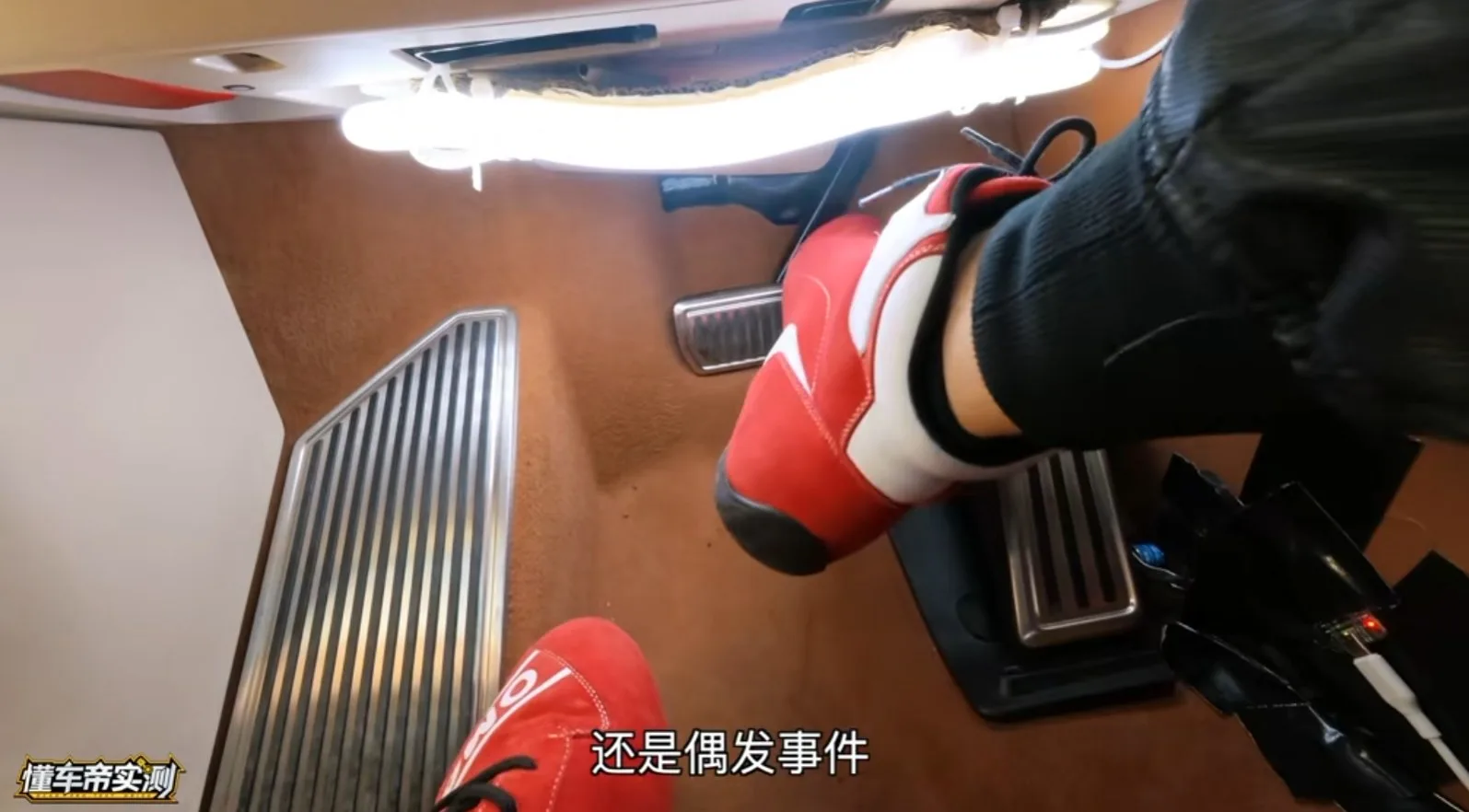
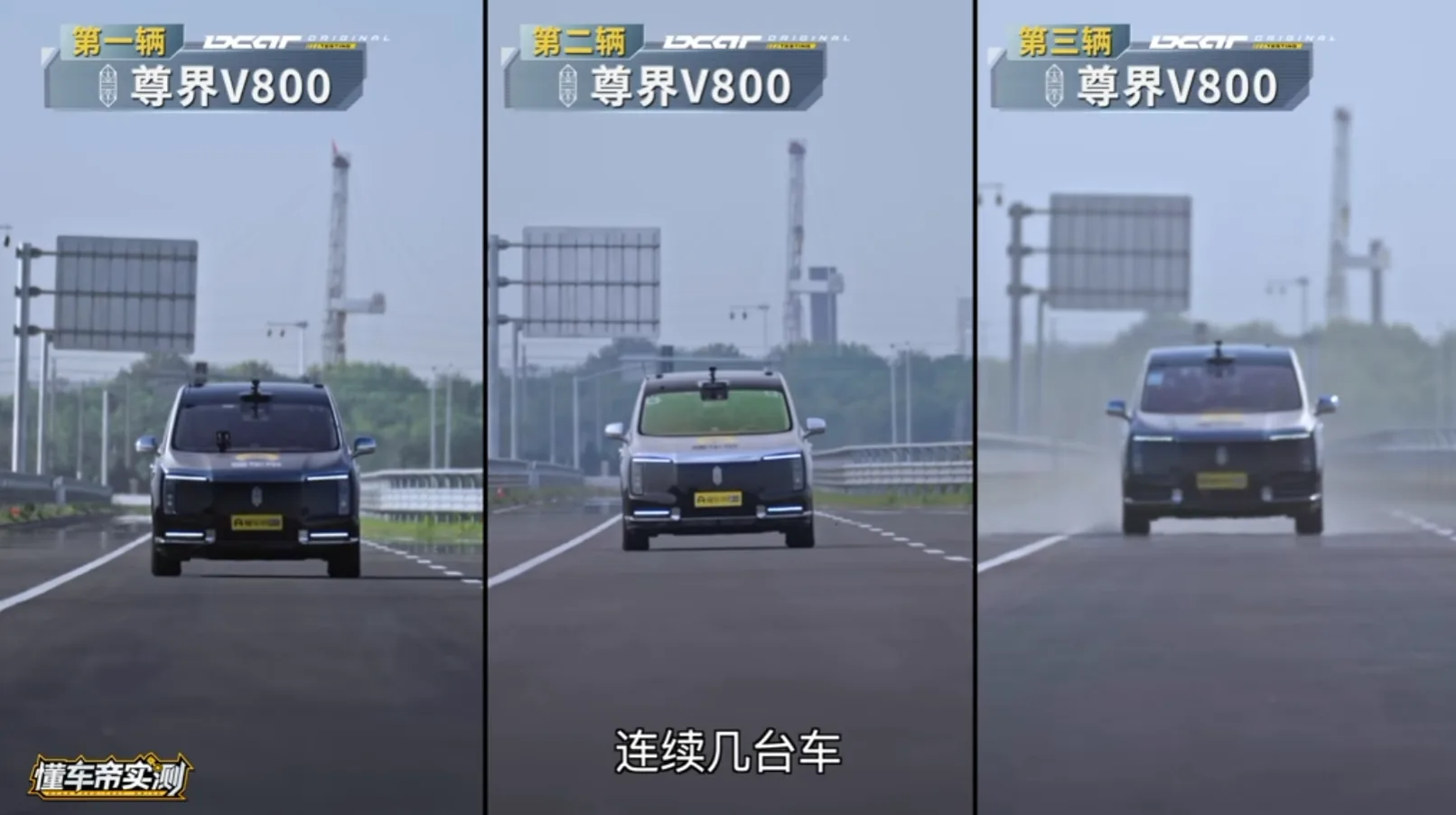 According to the test media, the first car's pedal bracket broke on its third braking run, the second on its fourth, and the third, a car with only 3 km on the clock, snapped on just its second press. The pedal force sensor read about 1,612 N at the moment of failure, and testers said they could only slow the car by holding the P gear, with braking distance stretching from a normal 38 meters (about 125 feet) to about 140 meters (about 459 feet).
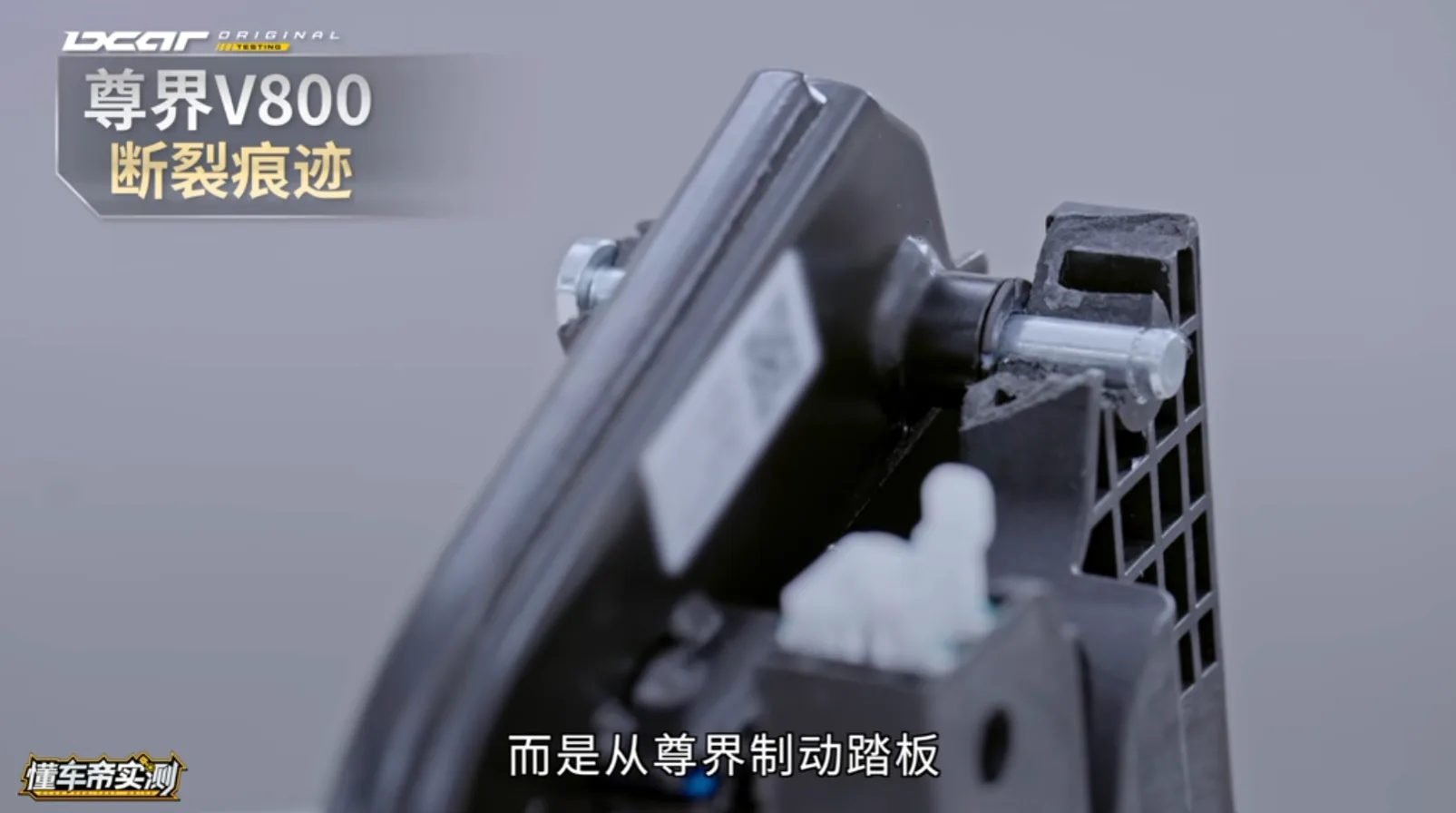 Responding to claims that the test was an extreme scenario with excessive pedal force, Dongchedi said a 100 km/h braking test is not extreme at all, since many drivers encounter such situations on the highway, making it one of the most basic automotive tests. It added that a broken brake pedal bracket was a first for the program and that three similar breaks at the same spot raised safety concerns, while the widely circulated 4,589 N figure was an artifact of frame-rate differences between the high-speed camera and the instrument screen, with the real peak at 1,612 N.
Other media dismantled the brake systems of the V800 and two rival models, finding that the V800's pedal sits about 130 mm (about 5.1 inches) from the bracket pivot axis, farther than the other two, and the greater the pedal's lateral offset, the bigger the challenge to the bracket structure and the higher the strength required.
Late on October 8, Maextro released a statement on its official social media. It stressed that the braking system was developed and validated to standards above the national requirements of GB 21670-2025 and GB 7258-2026 and above the industry standard QC/T 788-2018, said no brake pedal bracket base failures have occurred in real-world use since the first deliveries, and promised that even for non-standard extreme test conditions it wants more safety margin, so it will further optimize the part's design and offer free upgrades to owners who already took delivery, while systematically reviewing design validation, test boundaries and production quality management.
 JAC Motor said it has noted the matter and is investigating with testing still under way, promising an official statement once results are in, and its board secretary's office said the issue has been reported internally with no conclusion yet. Huawei's HIMA said it has received no related feedback on brake pedals and that delivery schedules remain normal, adding that Huawei will retest jointly with JAC and publish the data, with test-drive cars showing no such issue and no returns reported. Maextro customer service said the brand has seen the test video and the matter is in its verification process.
The debate really comes down to two questions, whether three breaks at the same spot point to insufficient design margin in the bracket, and where the line falls between an extreme third-party test and everyday use. Maextro's same-day response and free upgrade pledge deserve credit, but on safety the final word belongs to an independent and transparent investigation, not to either side's account.