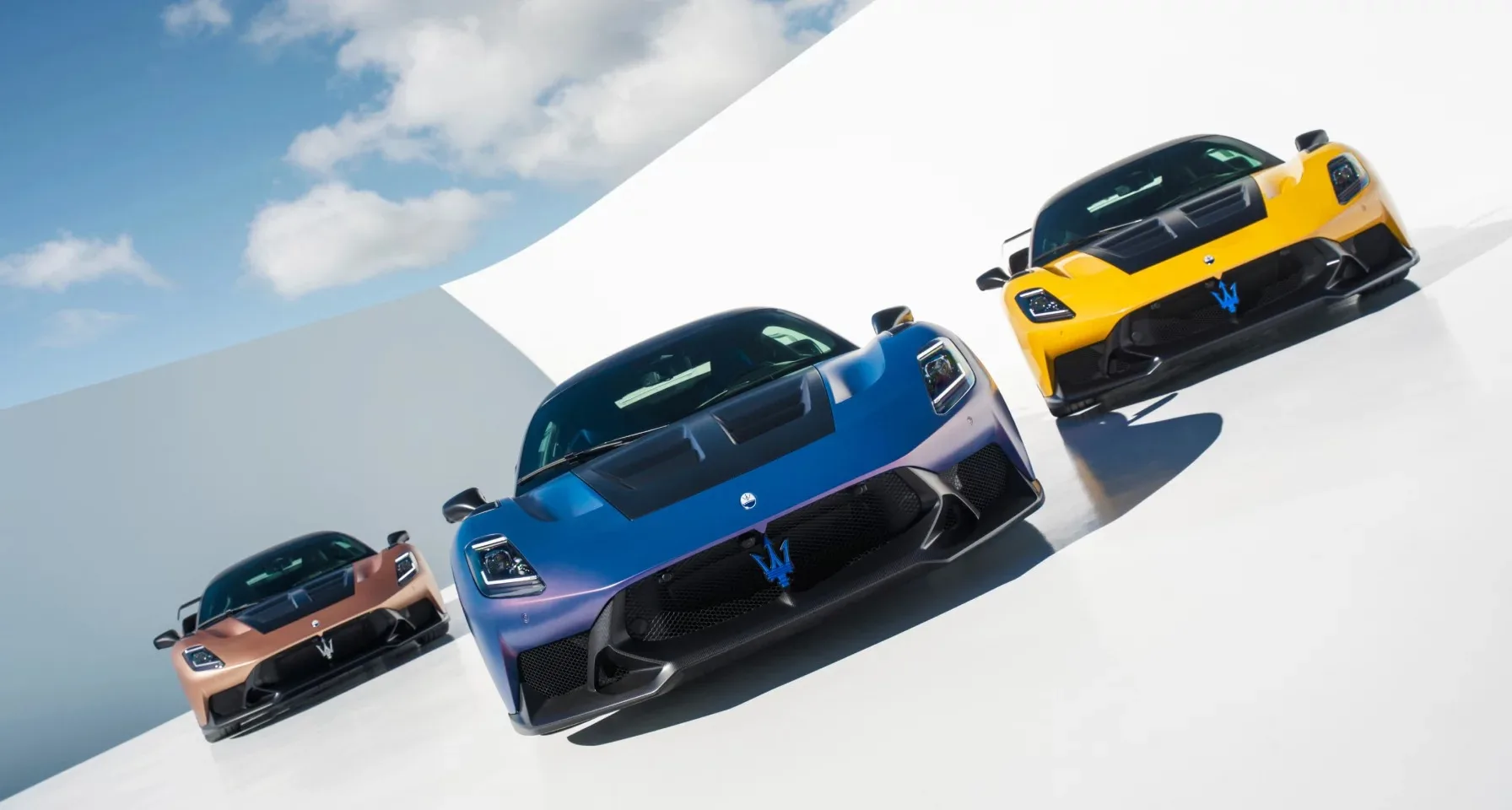
Maserati reportedly turns to Huawei for a lifeline, one chassis wearing two badges, Maextro in China and the trident overseas
By DianMa Auto · 2026-09-05 · News
Italian outlet Milano Finanza reported yesterday that Stellantis is in deep talks with Huawei and JAC Motors over a long-term industrial partnership for its Maserati brand, with the three parties planning to apply Huawei's Harmony Intelligent Mobility Alliance platform to Maserati models and launch the first jointly developed production car by the end of 2027.
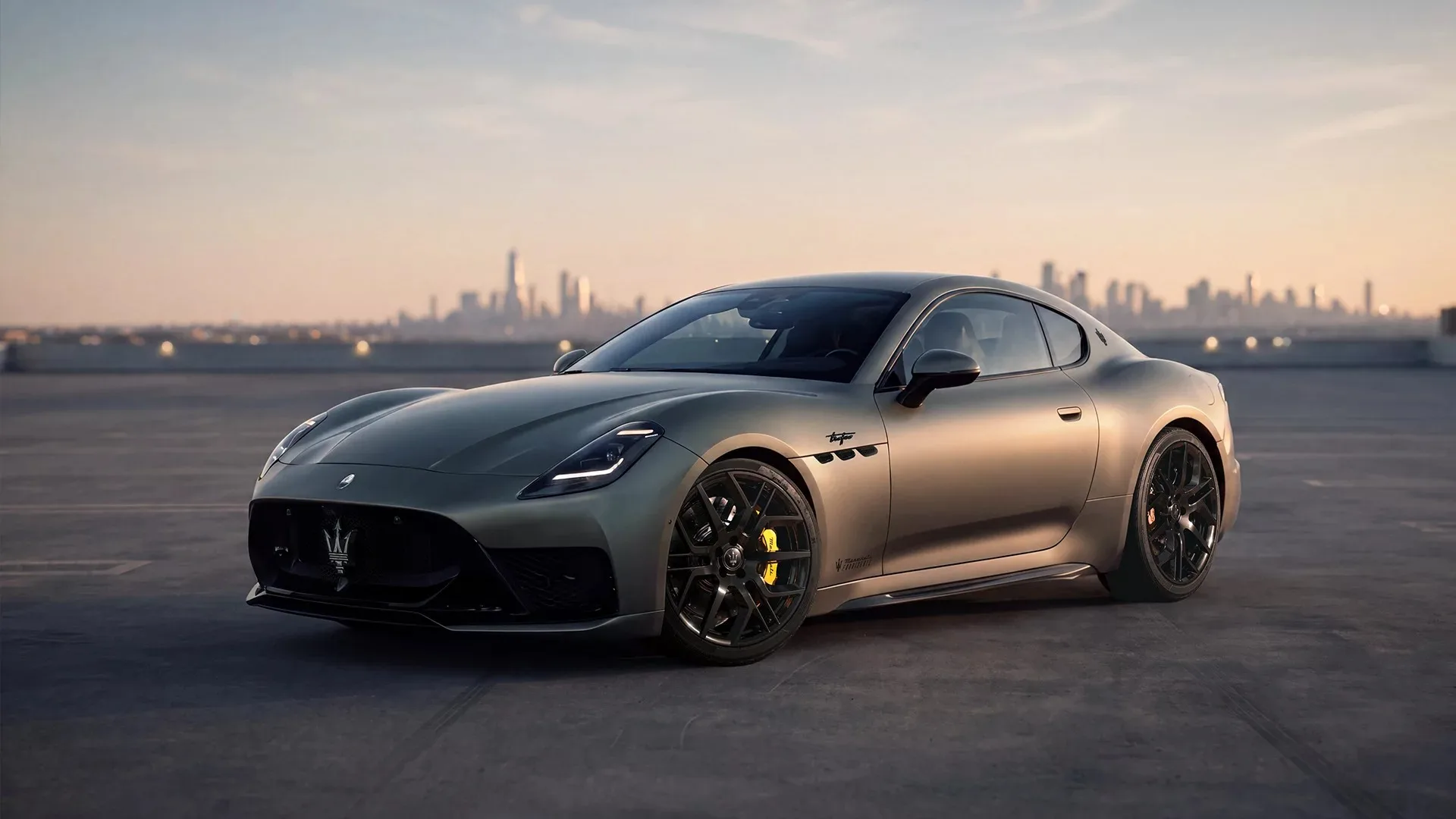 The report revealed an imaginative dual-brand strategy, with the same model sold in China under the Maextro brand within Huawei's Harmony Intelligent Mobility Alliance lineup and through Huawei's offline stores, while the global version wears the Maserati trident, in other words one chassis and one architecture wearing two badges to attack two markets.
Responding to the reports, Stellantis' vice president of communications for Asia Pacific, Wang Chao, told the National Business Daily that the group does not comment on market rumors or speculation, but said that as part of normal business operations, Stellantis continuously communicates with global industry partners on various topics, and he pointed to an investor day this December in Modena, Italy as the moment when Maserati's future strategy and development plan will be officially unveiled, with no further comment before then, a statement that neither denied nor confirmed the deal and left plenty of suspense.
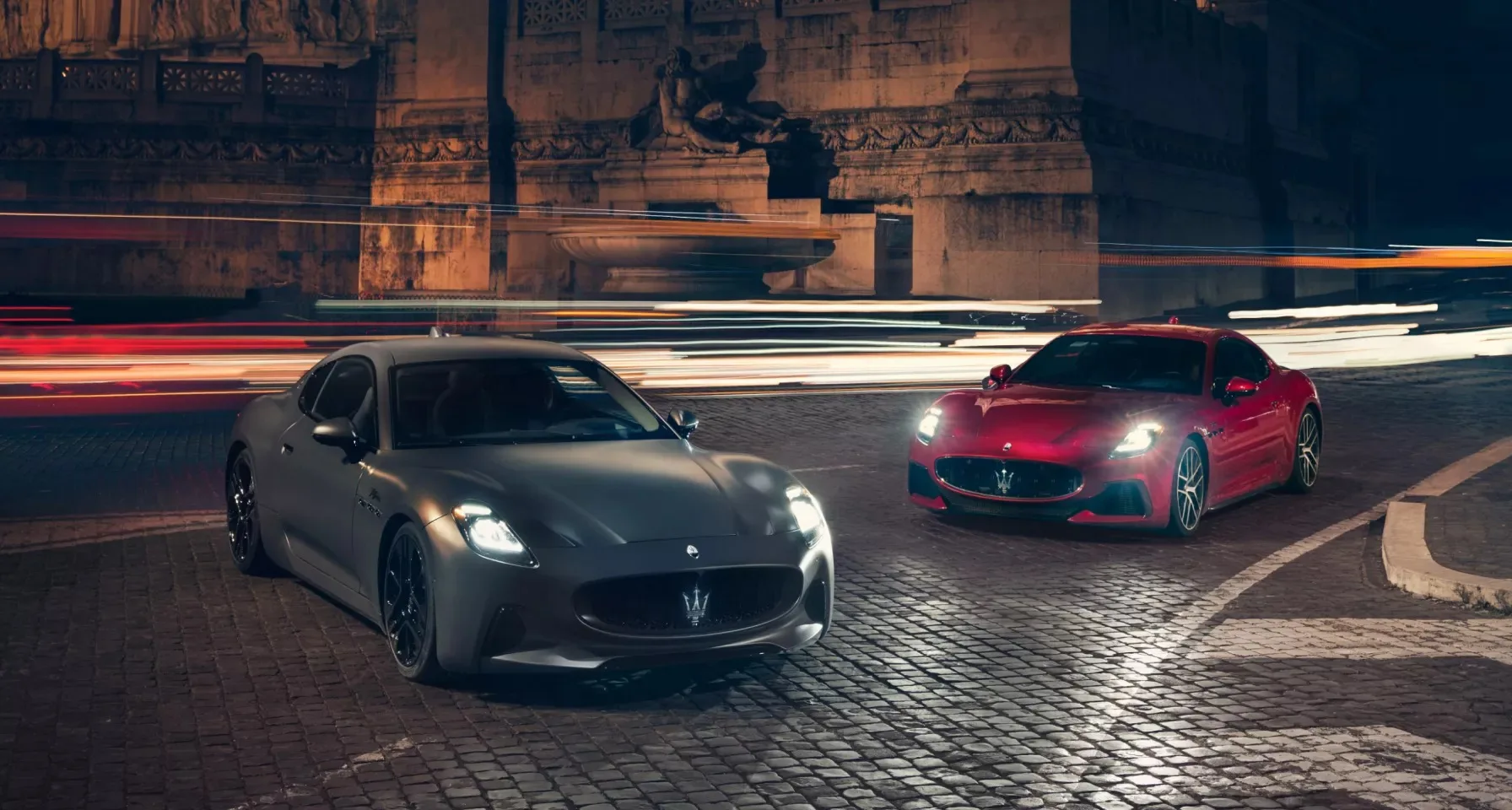 In fact, the rumor is not groundless, since Chinese media already reported in May that Huawei, JAC and Maserati would jointly build cars, with a clear division of labor, Huawei leading product definition and supplying the full stack of smart driving, cockpit and electric drive systems, JAC handling vehicle manufacturing, and Stellantis contributing Maserati's brand equity and overseas channels, while the Milano Finanza report goes further by pinning down the production timeline and the dual-badge strategy.
The urgency behind Maserati's bid to survive with Huawei comes from its plunging results, with Reuters reporting that the brand's global deliveries in 2025 fell to about 7,900 units from about 11,300 in 2024, nearly halving, and down from 26,600 in 2023, while its adjusted operating loss reached 198 million euros (about $230 million), against a full-year net loss of 22.3 billion euros (about $25.9 billion) for the whole Stellantis group, making Maserati a clear drag on profits.
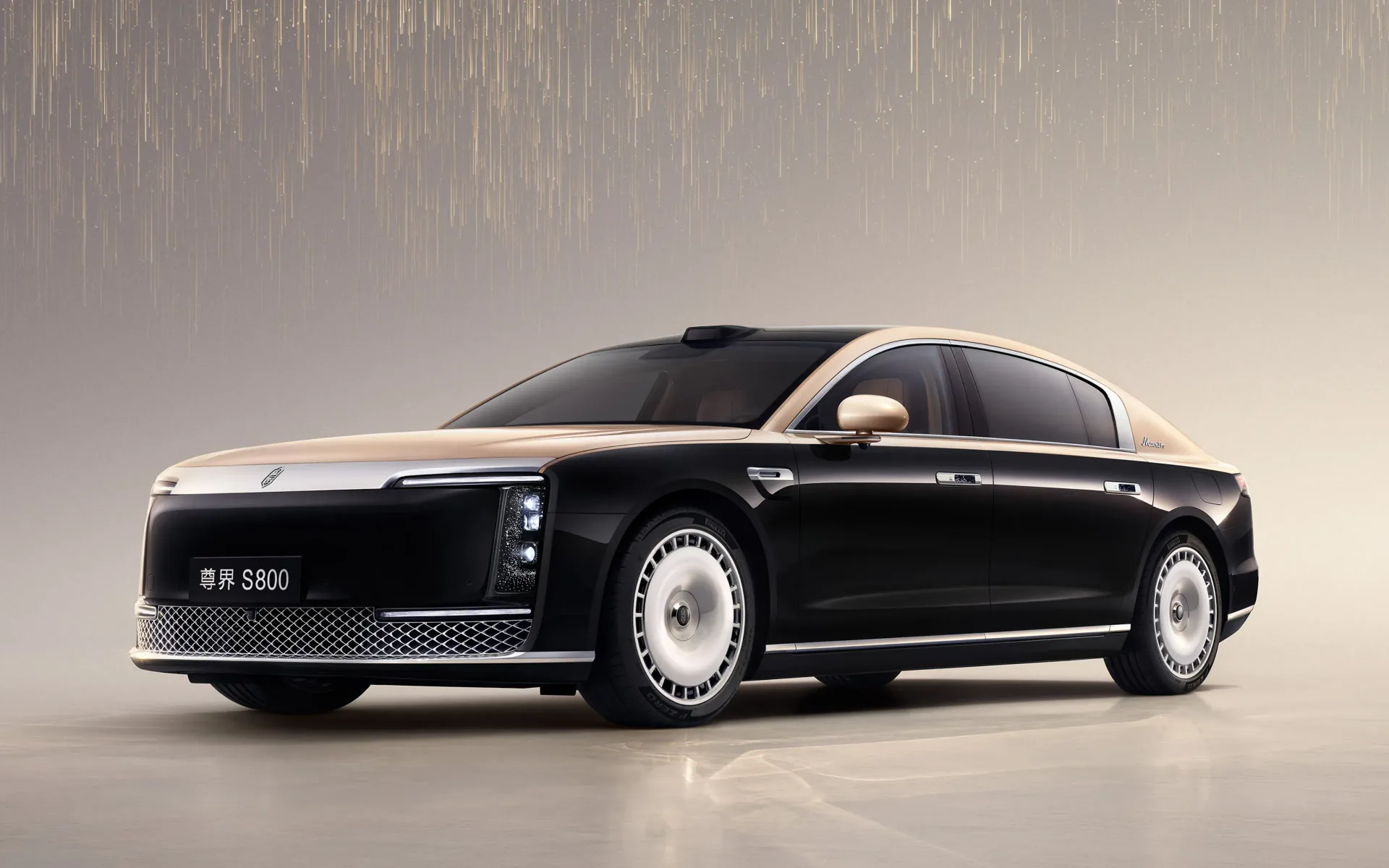
More importantly, Maserati has made almost no progress on electrification, with the MC20 Folgore drawing a lukewarm response and the Grecale Folgore failing to gain traction, and as Porsche and the German premium brands speed up their smart and electric push, a century-old luxury brand without a credible intelligent solution has already lost its voice in the Chinese market. Huawei's Harmony Intelligent Mobility Alliance now runs five brands, Aito, Luxeed, Stelato, Maextro and Saic, with the Maextro S800 starting at 708,000 yuan (about $105,500) and selling at an average of 900,000 yuan (about $134,100), proving Huawei's pull in the million-yuan luxury segment, and combining Maserati's century-old brand with Huawei's intelligence would make a highly competitive card in overseas markets.
 Stellantis CEO Antonio Filosa said publicly earlier this year that production partnerships, including Maserati, have become a key pillar of the group's new long-term strategy, and the new collaboration would have a positive impact on the capacity of the Cassino and Modena plants in Italy, which also means that even if the models are built by JAC in China, Italian plants could join the later production stages, adding a political and employment dimension to the deal.
The talks are not yet finalized, and the plan unveiled at the Modena investor day in December will be the real confirmation, but whatever the outcome, a 111-year-old Italian luxury brand seriously considering handing its soul to a Chinese tech company is itself a landmark footnote in the reshaping of the auto industry.