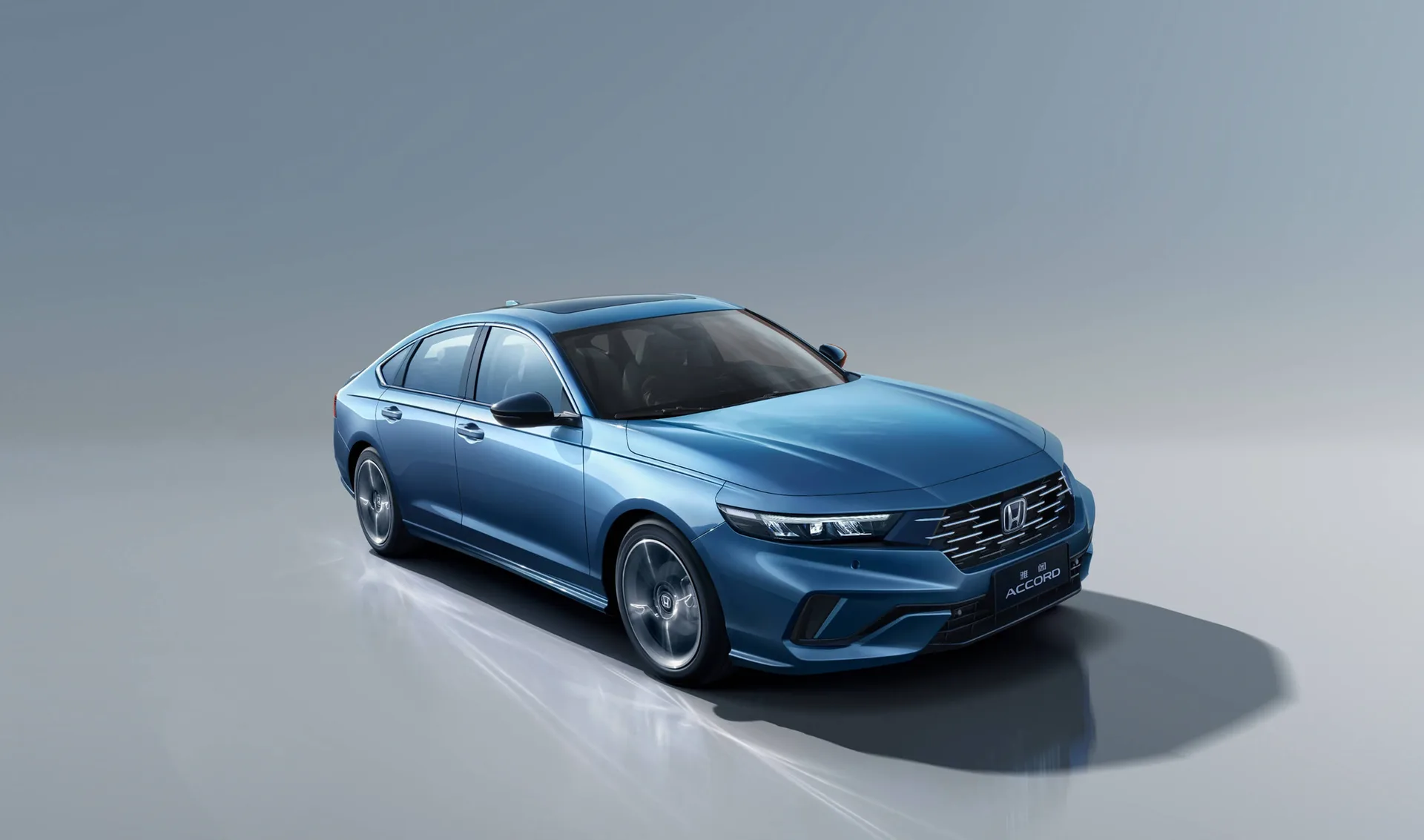
Japan's big three keep sinking in China, with Nissan and Honda halving in August
By DianMa Auto · 2026-09-09 · Industry
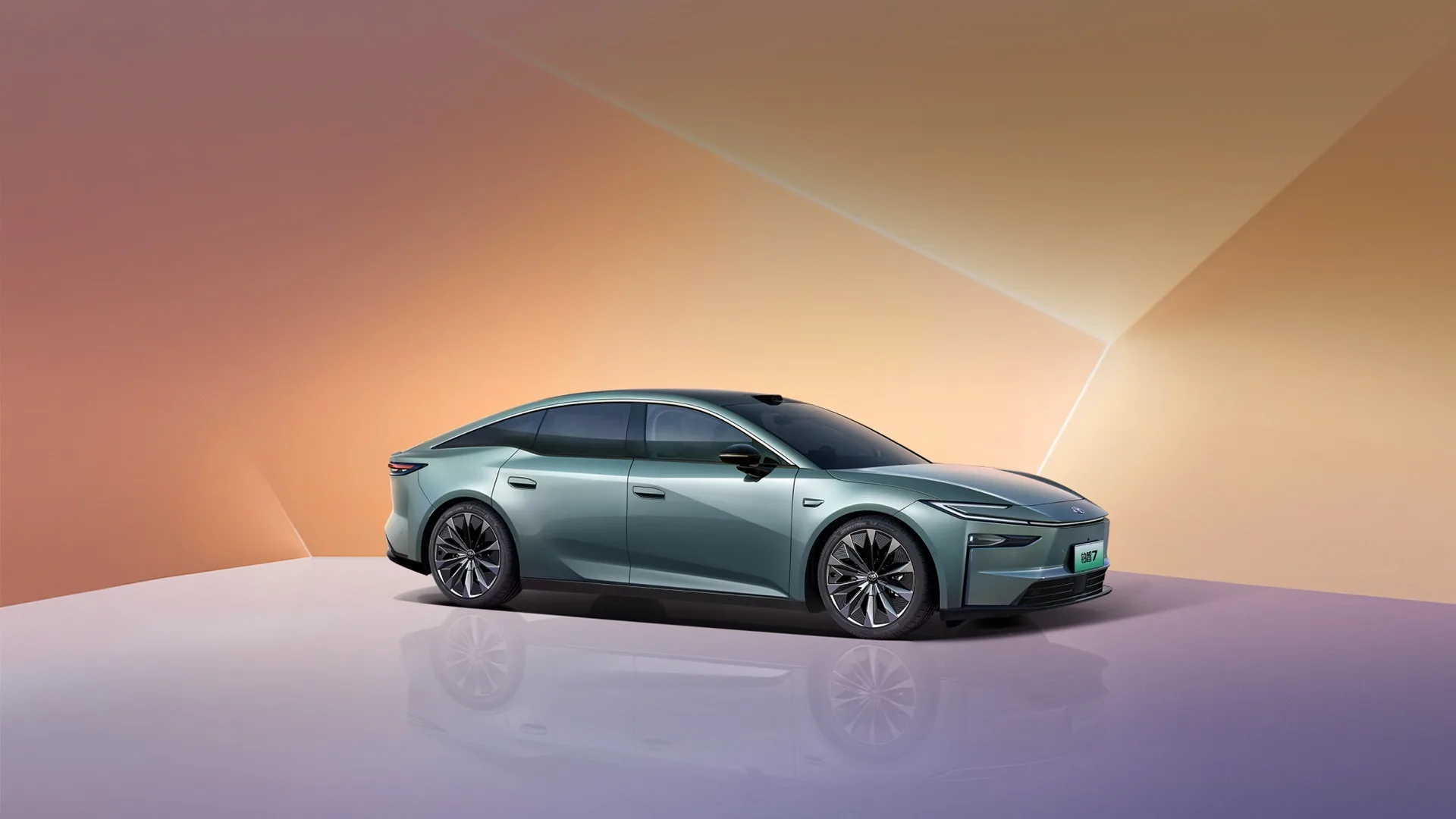
All three of Japan's top automakers saw their China sales fall again in August, marking a fifth straight month of collective year-on-year declines, with Nissan and Honda both nearly halving. Toyota sold 118,400 vehicles in August, down 22.8 percent, its seventh consecutive month below the year-earlier level, according to Kyodo News.
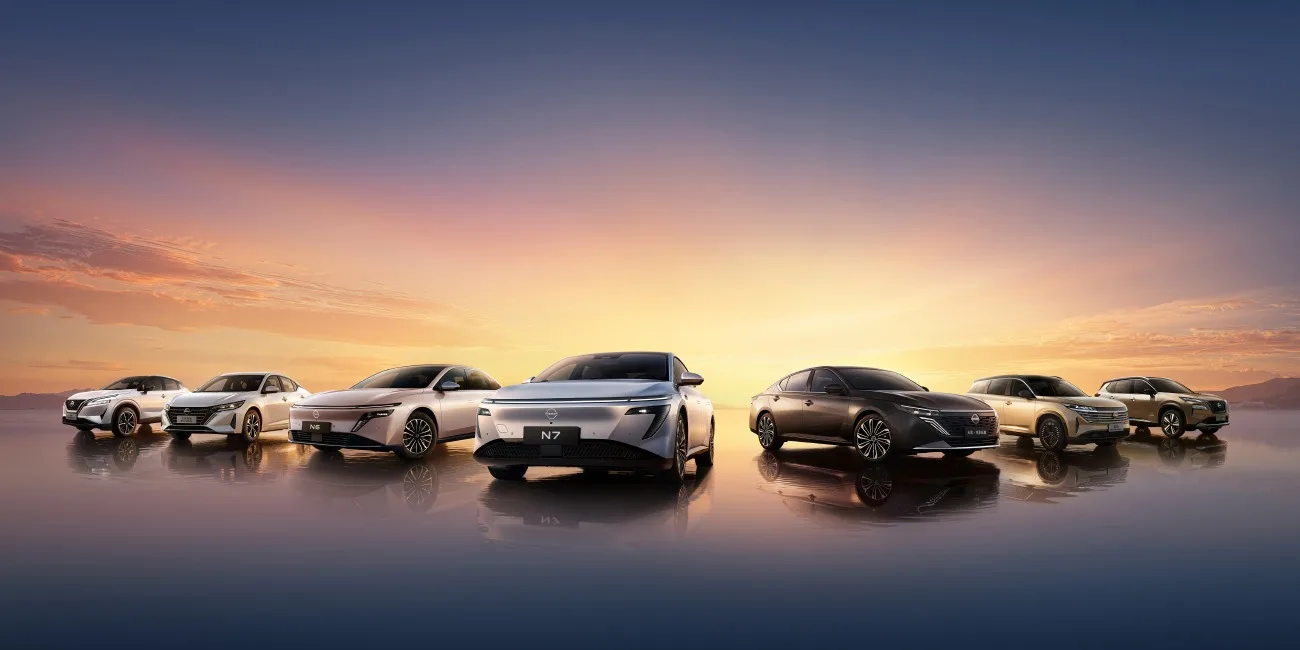
 Nissan sold just 28,275 vehicles, down 51.9 percent, while Honda sold 26,749, down 49.9 percent. Both fell below the 30,000-unit mark for the month, and their combined volume was less than half of Toyota's and under one eighth of what BYD sells in a single month.
The scale of the collapse shows in a single comparison, since the startup Leapmotor sold 30,652 units of its A10 model alone in August, a figure that beat the Tesla Model Y to keep it China's best-selling SUV for a second straight month and that means one model from a Chinese new-energy brand outsold Nissan's entire China lineup.
 CPCA data shows Japanese brands' share of the Chinese market has dropped from 23.1 percent in 2020 to 9.67 percent in 2025, halving in five years, with Nissan sliding for seven straight years, Honda for five, and Toyota joining the downtrend in 2025 as the whole Japanese camp's presence in China evaporates.
The root cause is the slow shift to electrification, since new-energy penetration in China passed 65 percent last year and BYD, Geely, Leapmotor and Xiaomi keep iterating on electric and smart features at a frantic pace, while Japanese brands are weak in pure-electric products and almost absent from the plug-in hybrid and range-extender segments.
The traits that once made Japanese cars unbeatable, fuel economy, reliability and strong resale value, are losing weight fast in an era where smart driving, infotainment smoothness and OTA update frequency decide purchases.
Japanese automakers are cutting capacity to absorb the slide, with Honda planning to shut one fuel-car plant each at GAC Honda and Dongfeng Honda in June 2026 and 2027, trimming annual capacity by 480,000 units and reducing its China fuel-car capacity from 1.2 million to 720,000, a 40 percent cut in one go.
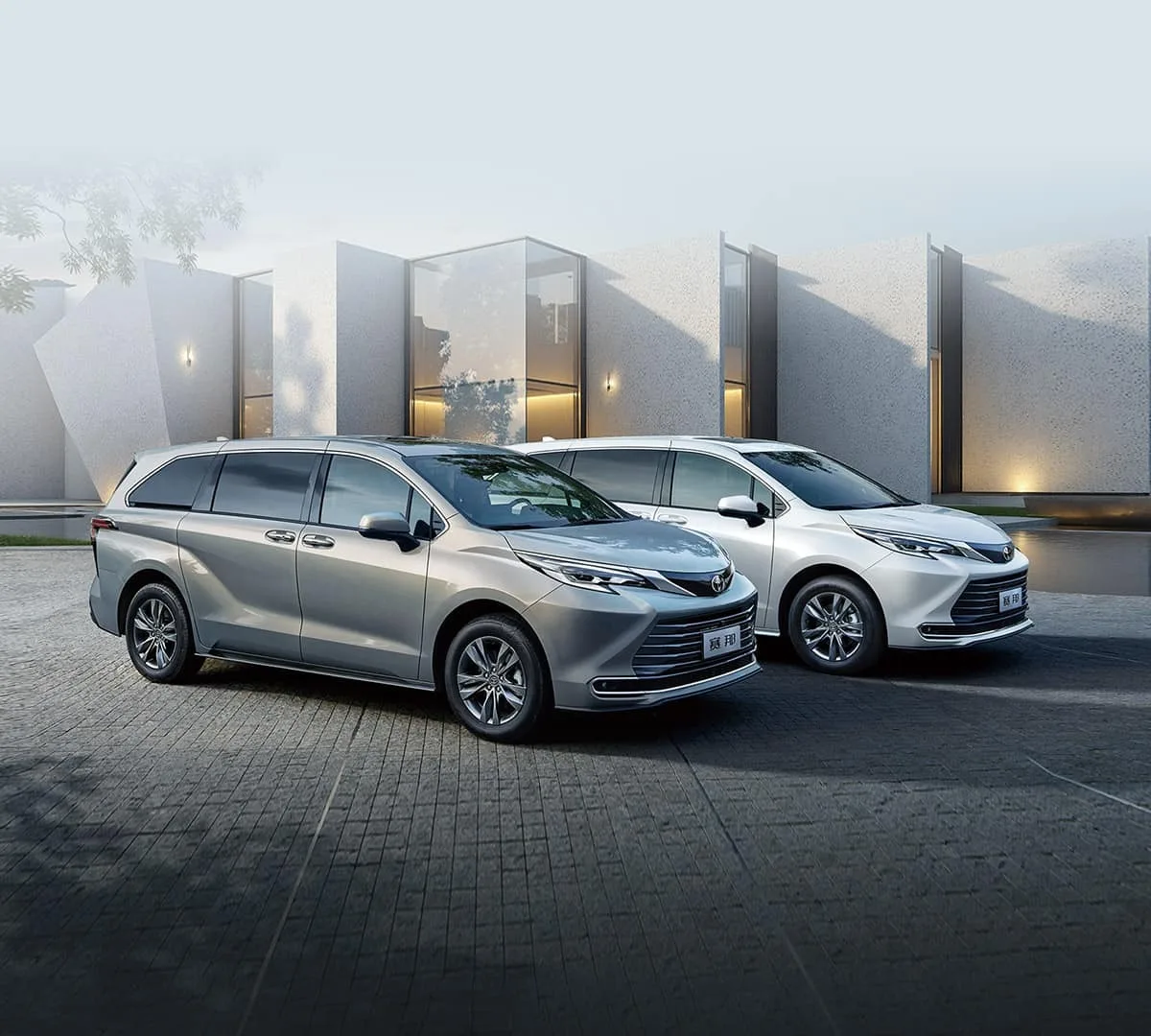 Nissan has already closed its Changzhou plant and partially suspended its Wuhan plant, with plans to shrink China capacity from 1.5 million to 1 million units, a reduction of one third.
There is a small bright spot, since Nissan's N-series new-energy models took 35.7 percent of its wholesale volume in August, and the company plans eight new-energy launches in China by fiscal 2026 while Honda speeds up its pure-EV rollout, but with Chinese brands already dominating the new-energy market, the odds of a Japanese comeback look slim for now.