Italian supplier chief urges EU to cap Chinese cars at 8% share, then hit 80% tariffs
By DianMa Auto · 2026-09-10 · News
The president of Italian auto supplier association Anfia, Roberto Vavassori, has proposed a radical trade measure to the EU, a market share quota of 8 percent for Chinese-built vehicles and parts with 80 percent punitive tariffs on anything beyond it, Reuters reported.
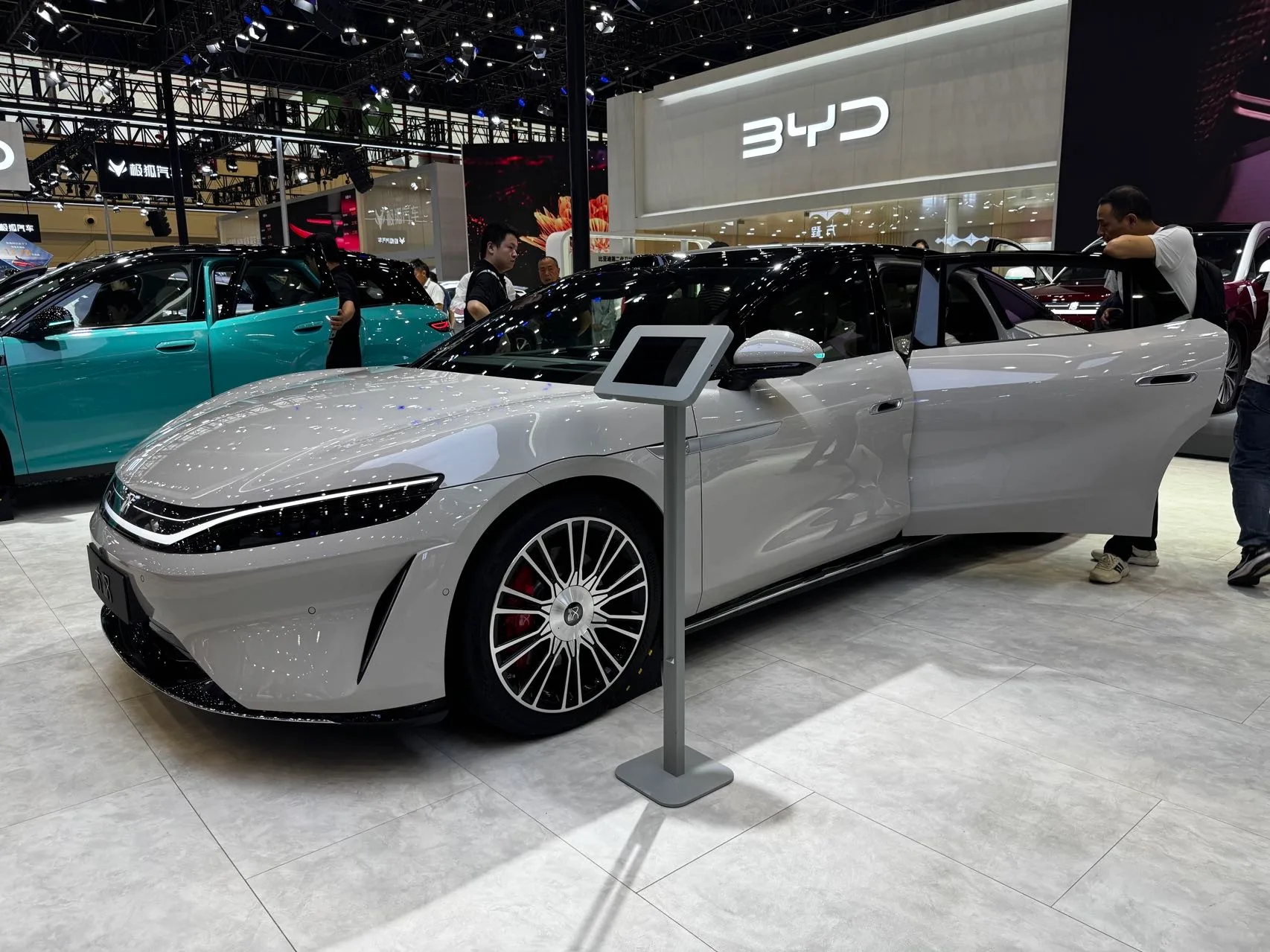 The EU currently levies anti-subsidy duties on top of the 10 percent base import tariff for Chinese EVs, for a combined rate of roughly 18 to 45 percent, so the 80 percent Vavassori wants is nearly double the highest existing rate. He also argues the mechanism should cover complete vehicles and components alike, since parts account for about 80 percent of a car's total value.
The immediate trigger for the proposal is a violent shakeout running through Europe's automotive supply chain, since Volkswagen's supervisory board approved a restructuring with about 50,000 job cuts in early September, the biggest downsizing in the group's nearly 90-year history, and VW is one of the largest overseas customers of Italian parts makers.
According to Vavassori, Italian component exports to Germany reached 4.9 billion euros (about $5.7 billion) in 2025, with Volkswagen purchases accounting for up to 20 percent, so once VW shrinks capacity and orders, the shockwave would travel down the supply chain to Italy's small and mid-sized suppliers.
He expects Italian parts exports to fall about 10 percent this year after a 4.6 percent first-half drop, and without curbs on Chinese imports, the export scale could shrink 40 to 50 percent by 2028, which would mean the end of the industry.
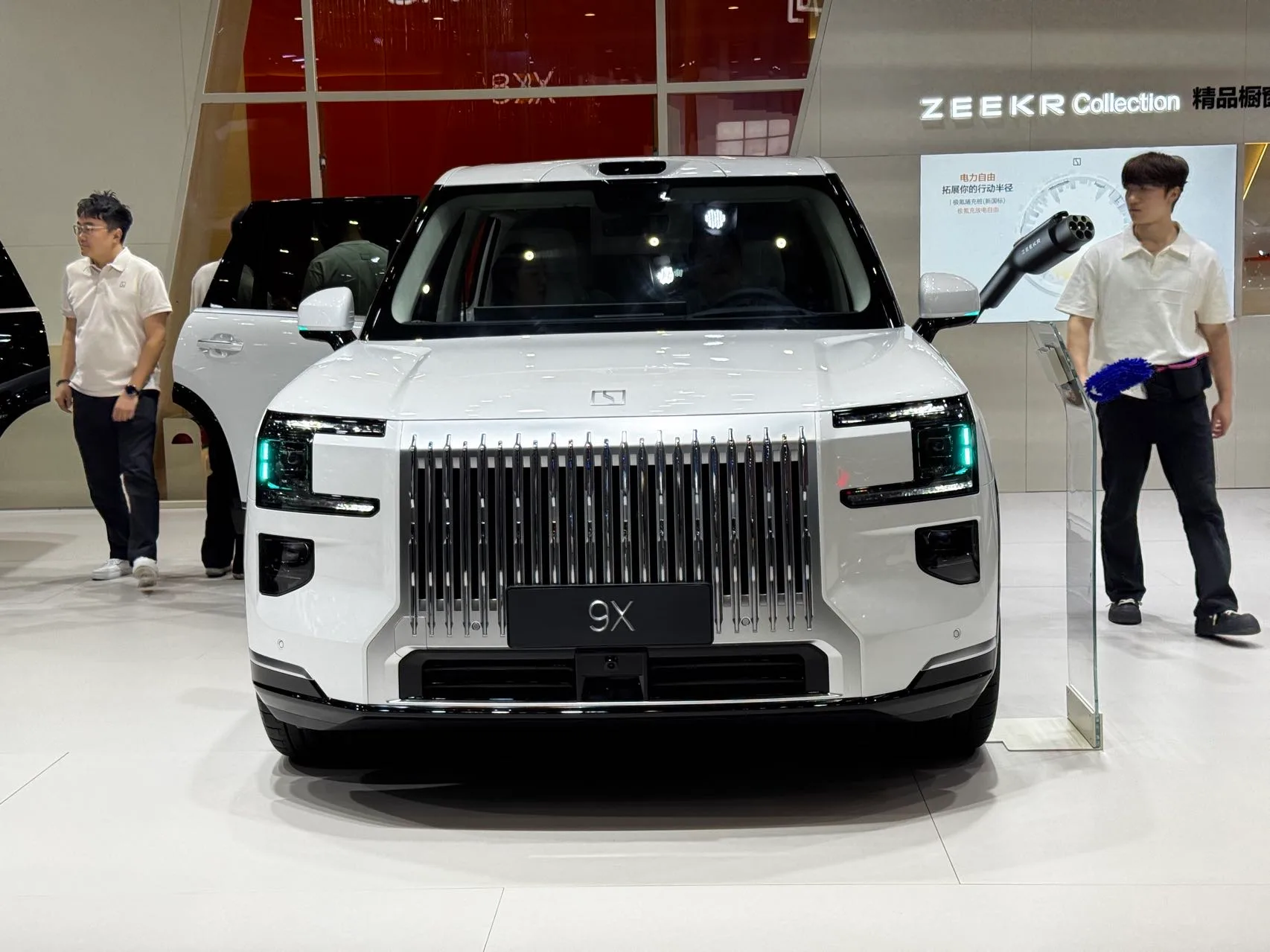
The other source of Anfia's anxiety is how fast Chinese brands are climbing in Europe, with ACEA data showing they took more than 9 percent of EU new-car registrations in the first half of this year, which is already above the 8 percent red line Vavassori wants to draw.
In the interview he said he holds the greatest respect for what China's industry has achieved, but that respect has turned into concern, and Europe cannot lose an industry vital to its strategic autonomy, a message that shows how Chinese automakers have gone from fringe to mainstream in under five years and pushed Europe's anxiety to the edge.