Chinese Reviewer Calls CLTC Range Figures the Industry's Fig Leaf: Real-World Range Can Drop 40% and Export Markets Will Notice
By DianMa Auto · 2026-08-21 · Reviews
Chinese car reviewer Yan Yupeng took to Weibo today, calling the CLTC range standard the biggest fig leaf of the country's new energy vehicle industry and urging the industry to adopt a range rating that actually reflects how people drive. The post sparked heated debate online.
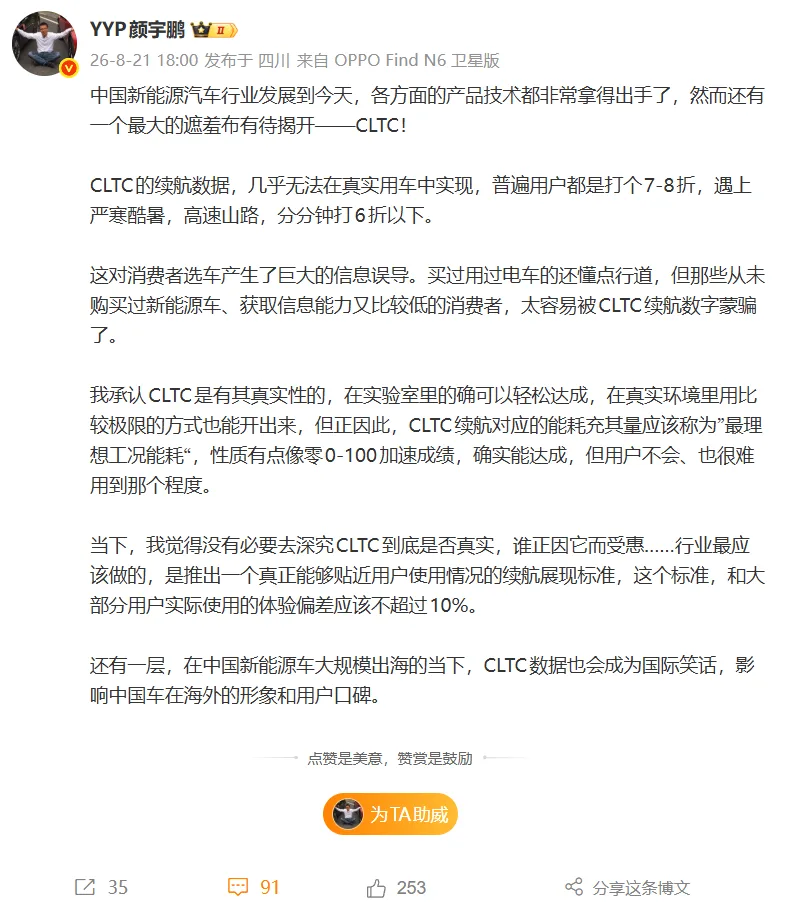 Yan said Chinese NEVs are genuinely competitive on product and technology, but CLTC range figures are almost impossible to reproduce in real-world use. Most drivers only achieve 70 to 80% of the rated number, and in extreme cold, summer heat, or sustained highway and mountain driving, the result can fall below 60% in no time.
He argued this badly misleads buyers, especially first-time EV shoppers with limited access to information, who are easily fooled by the headline CLTC number.
Yan acknowledged that CLTC has its own kind of truth. It is easily achieved in a lab, and even on real roads with extreme efficiency driving. But for that very reason, he said, CLTC energy consumption should at best be labeled best-case-scenario consumption, similar to a 0-60 mph time. It is real, but drivers will rarely if ever replicate it.
In his view, the industry's priority should not be debating whether CLTC is technically real, but building a range standard that stays within 10% of what most users actually experience.
He also warned that with Chinese NEVs now exporting at scale, CLTC figures risk becoming an international joke, damaging the image and word of mouth of Chinese cars overseas.
For context, CLTC, short for China Light-duty Vehicle Test Cycle, took effect in 2021 as the replacement for the old European NEDC cycle, and it was the first standard built on Chinese real-world road data.
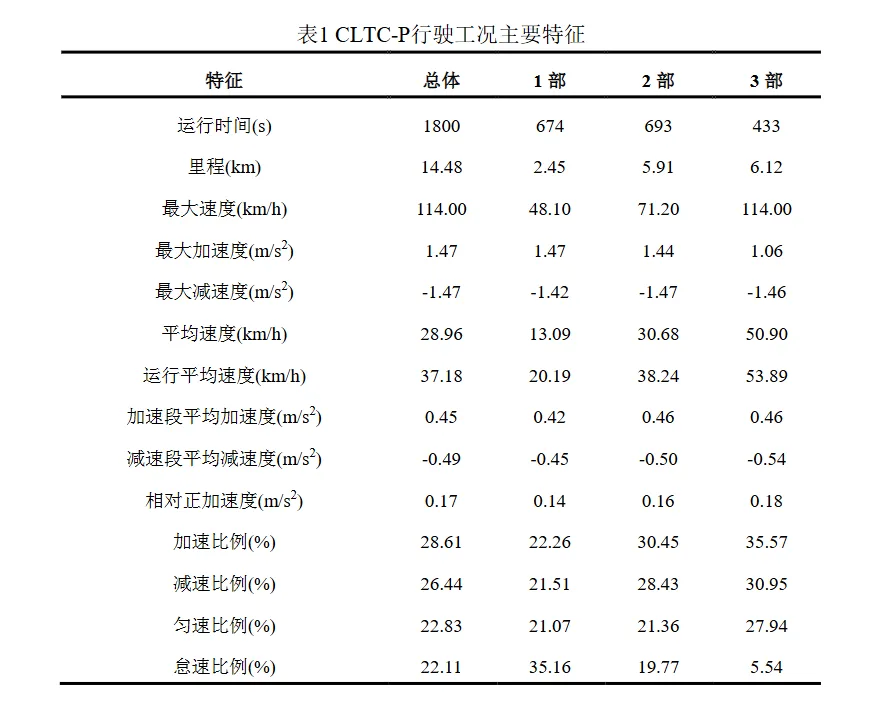
The full test loop lasts 1,800 seconds across low, medium and high-speed phases of 674, 693 and 433 seconds respectively, covering about 9 miles (14.48 km) in total, with a top speed of just 71 mph (114 km/h) and an average speed of only 18 mph (28.96 km/h).
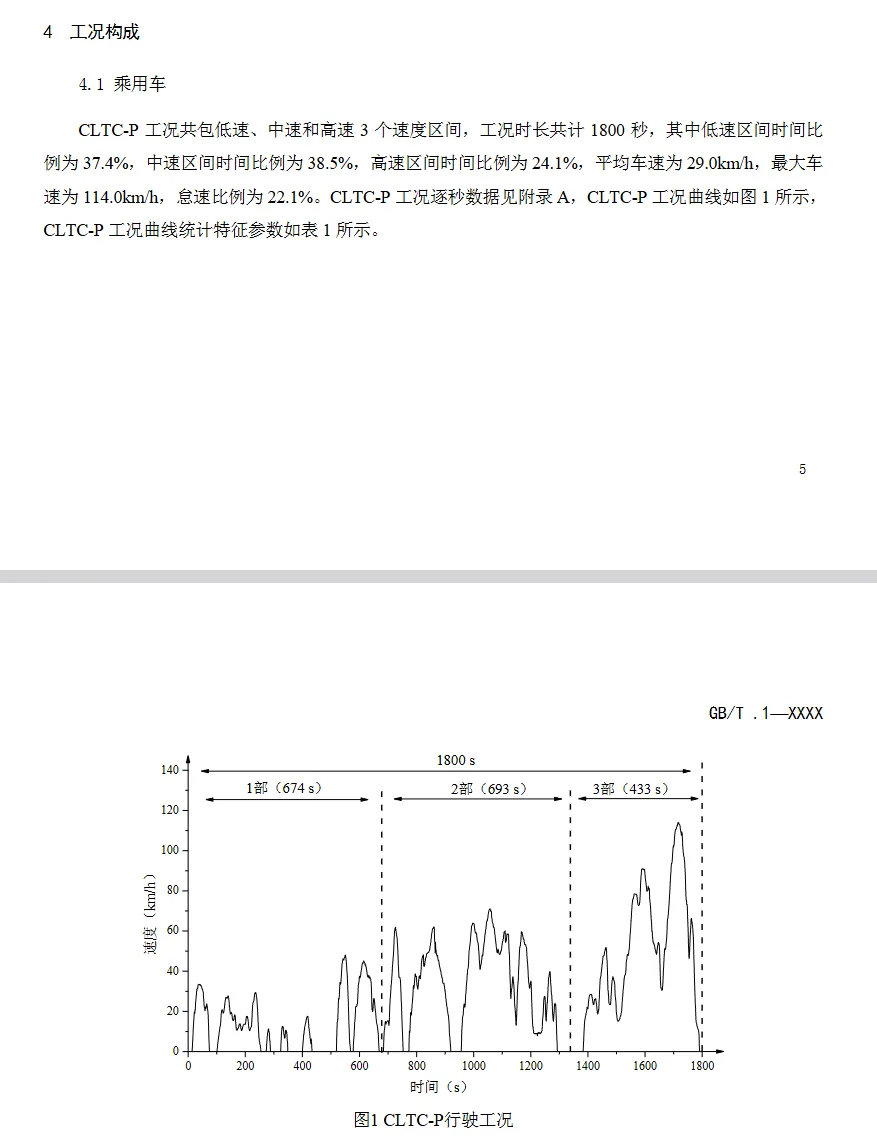 During the test, the vehicle spends about 28% of the time accelerating, 26% decelerating, and 22% idling, with the air conditioning and other accessories switched off throughout.
 The cycle is structurally kind to EVs. First, an electric drivetrain consumes almost nothing at idle, so a test with more than 22% idle time effectively hands out free range.
Second, the constant stop-go rhythm plays straight into regenerative braking, where every deceleration feeds energy back into the battery. The more frequent the slowdowns, the bigger the harvest.
Gasoline cars, by contrast, burn more fuel under exactly these conditions, which is why switching from NEDC to CLTC often pushed EV range ratings up rather than down.
The problem is that these advantages evaporate outside the lab. Cruising at 75 mph (120 km/h), aerodynamic drag climbs with the cube of speed and energy use soars far beyond the test cycle, while freezing weather saps battery activity and keeps the cabin heater draining power, shrinking range even further.
With a top speed of only 71 mph, a highway portion under a quarter of the loop, and the climate control off, CLTC simply sidesteps the two biggest range killers. That, Yan noted, is the core reason EV range numbers look so long on the CLTC sheet.