China's EV startups just got their first 100,000-unit month: Leapmotor tops July sales, Huawei's HIMA brand follows
By DianMa Auto · 2026-08-04 · Industry
China's EV startups just reset the monthly sales ceiling — and the one who did it is Leapmotor.
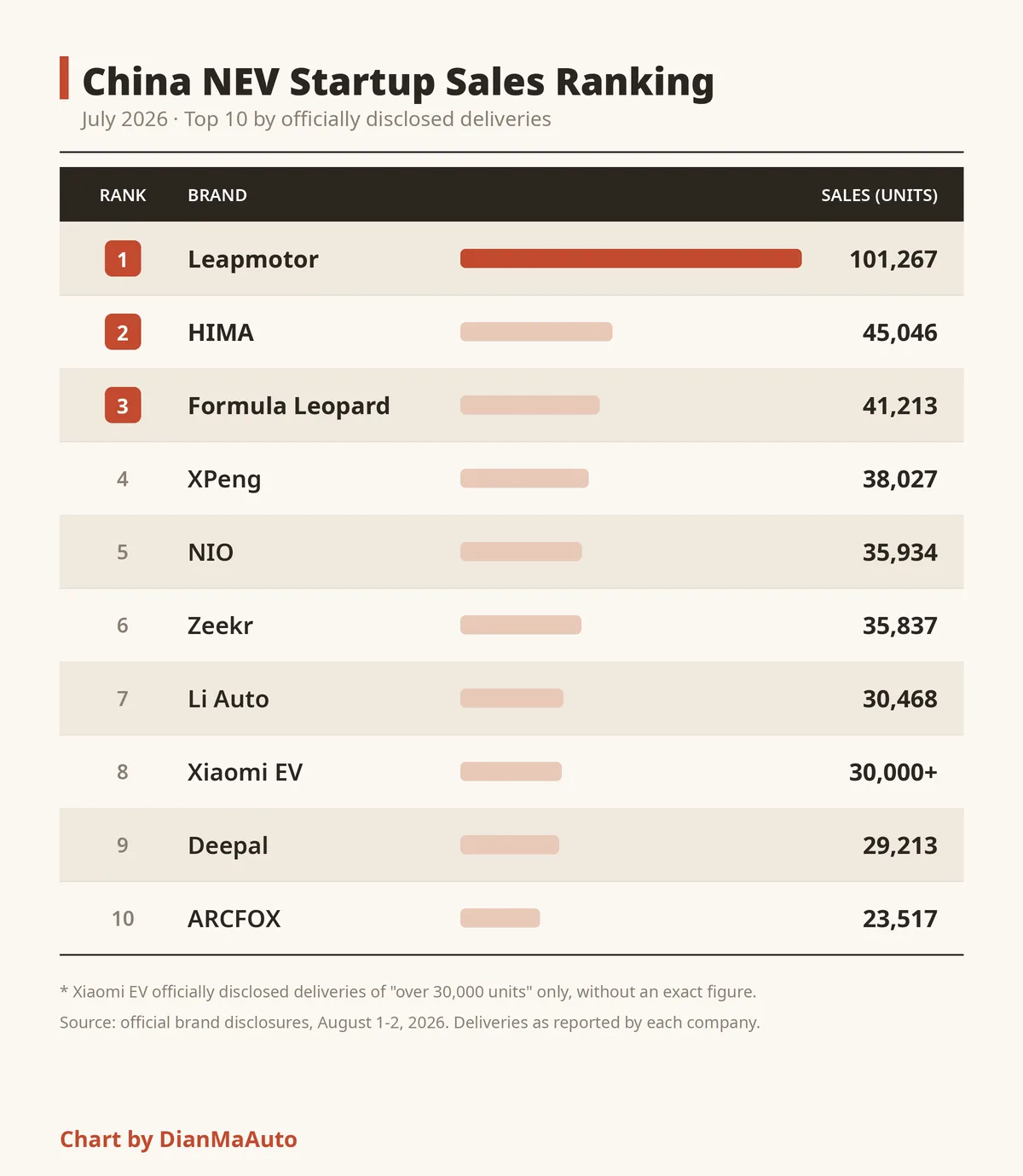 The budget-friendly EV maker delivered 101,267 vehicles in July, up 102% year over year, making it the first Chinese startup to crack 100,000 units in a single month. It's the third straight record month for Leapmotor, which crossed 80,000, 90,000 and now 100,000 in successive months. Deliveries for the first seven months total about 457,800 units — roughly 45.8% of its 1 million-unit target for 2026. "It took us six years to go from 879 cars a month to 100,000," founder Zhu Jiangming said in a video wrapping up the month.
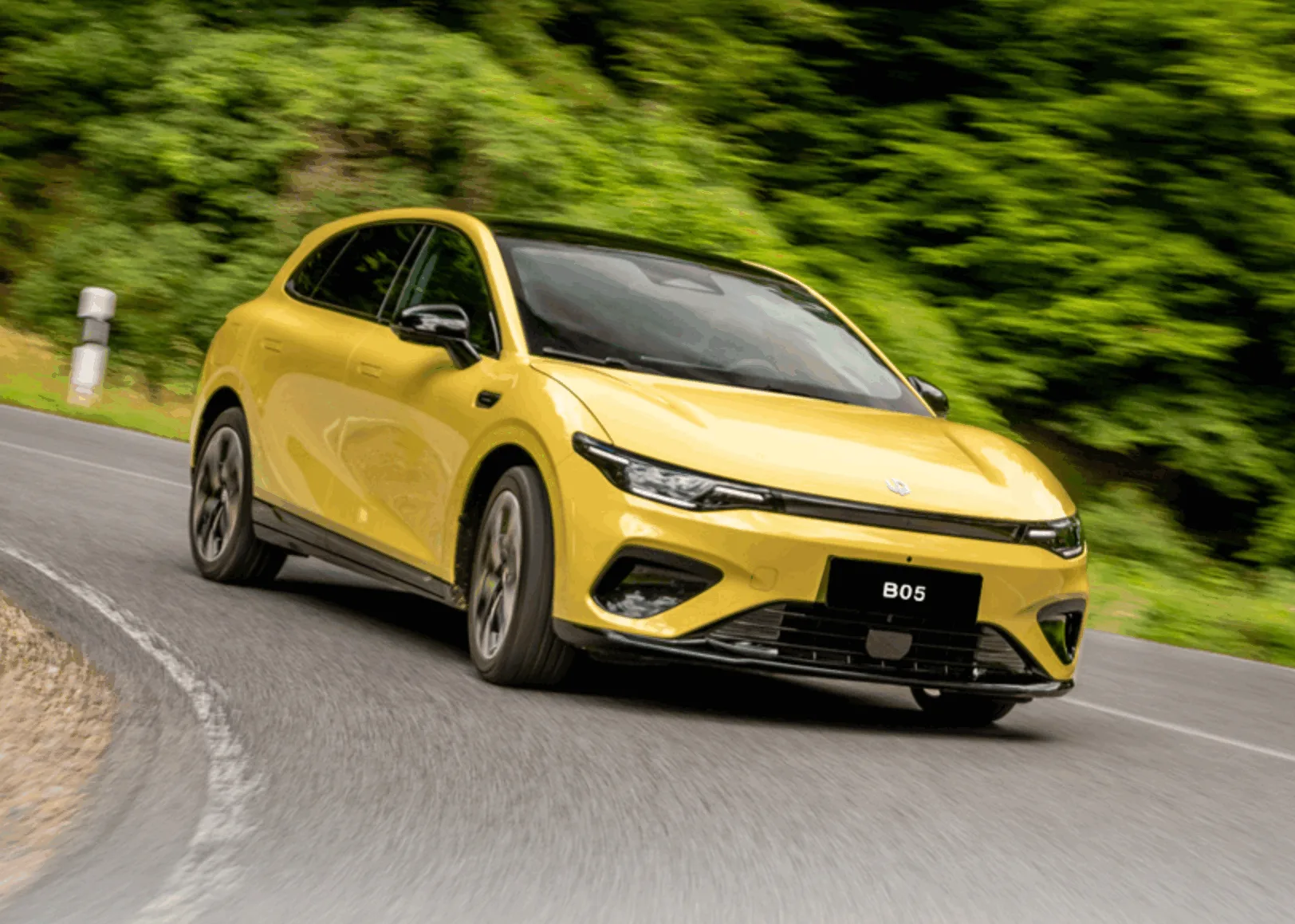 Huawei-backed HIMA came in second with 45,046 deliveries. The multi-brand lineup — AITO, Luxeed, Stelato, Maextro and Shangjie — is still riding a wave of hot models: the new AITO M9 passed 20,000 cumulative deliveries in seven weeks, the M6 broke 40,000 in 97 days, and the Luxeed V9 topped 10,000 in July alone. But July was down about 11% from June's 50,624, leaving the group well short of its near-million-unit annual target.
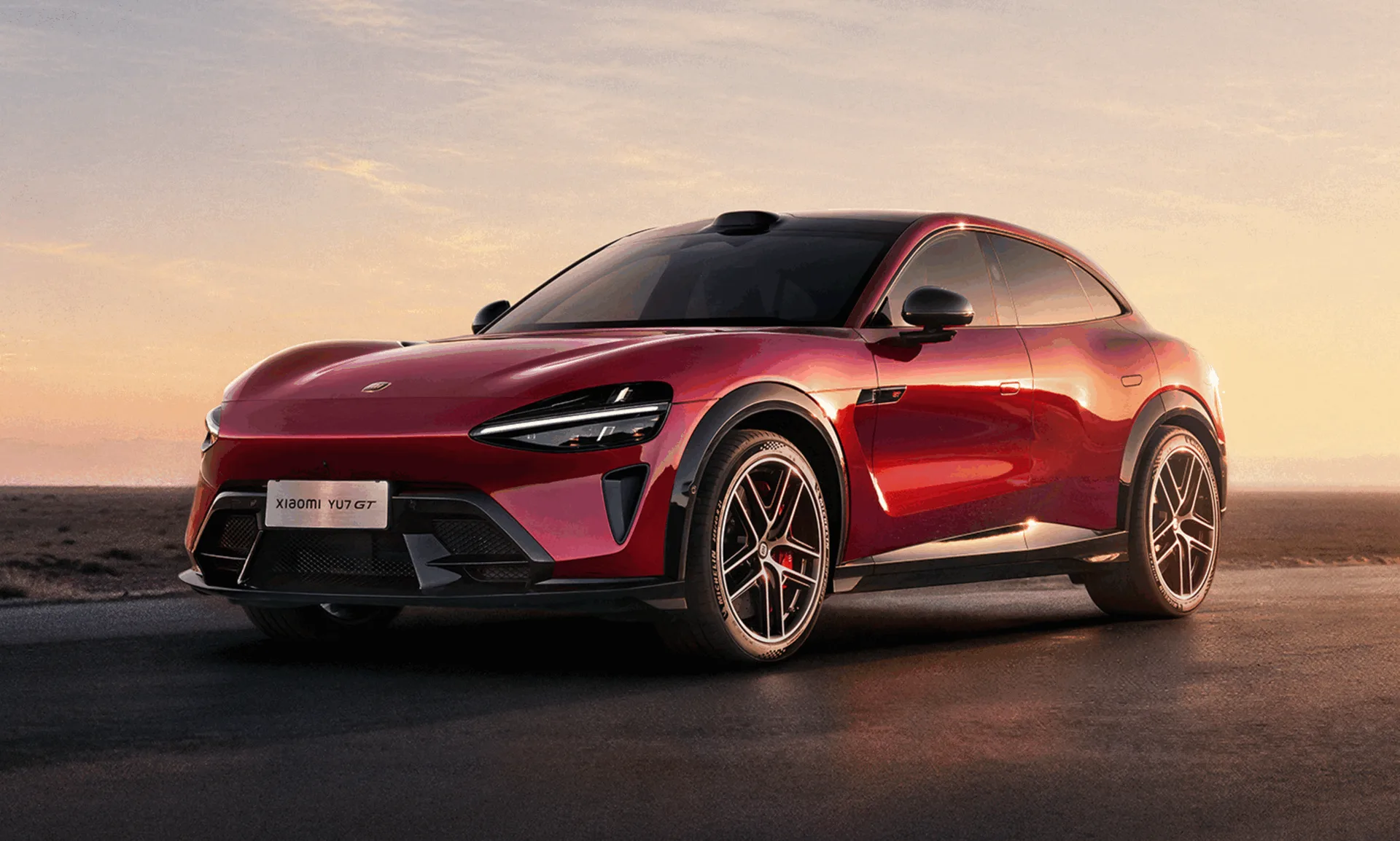
 The 30,000-unit club stayed crowded. XPeng delivered 38,027 (+4% YoY), passing 1.2 million cumulative global deliveries. NIO's group delivered 35,934 (+71% YoY), split across NIO (20,008), Onvo (10,155) and Firefly (5,771). Zeekr posted 35,837 (+111% YoY), its best month ever. Li Auto slipped 0.9% to 30,468. And Xiaomi again reported only "over 30,000" without a precise figure, though cumulative deliveries have now passed 700,000.
 Among legacy automakers' EV brands, Deepal sold 29,213 globally in July — with overseas cumulative sales up 87.5% — while Voyah delivered 13,189. Avatr and IM remain below the 10,000 mark.
The 100,000-unit month was supposed to be a legacy-automaker club. Leapmotor just blew the door open. Now the real race isn't one month's numbers — it's which brands can keep converting product, cost and sales efficiency into growth as China's market contracts and new models keep piling up.