China Becomes the World’s Car Factory as July Exports Hit 1.09 Million vs Just 43,000 Imports
By DianMa Auto · 2026-09-07 · Industry
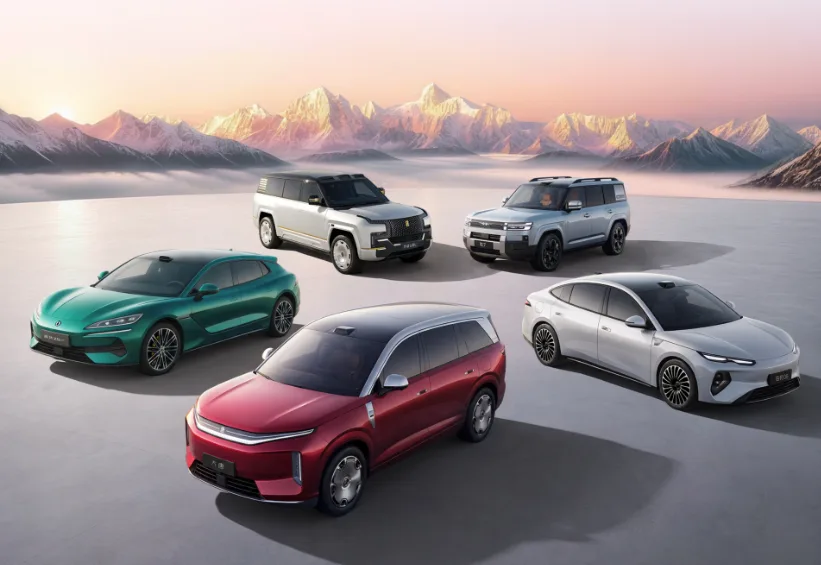
China’s auto exports reached 1.092 million units in July 2026, up 2.2% month-over-month and 57.5% year-over-year, with export value hitting $18.98 billion, up 60.4%, according to data compiled by the China Association of Automobile Manufacturers from customs figures.
Imports in the same month totaled just 43,000 units, down 13% year-over-year. The export-to-import ratio hit 25 to 1, a complete reversal of China’s auto trade landscape.
The year-to-date numbers are equally lopsided. January through July exports reached 6.399 million units, up 53.7%, worth $110.78 billion, up 54.9%. Imports over the same period totaled 240,000 units, down 11%. In seven months China shipped out more than 26 times as many vehicles as it brought in, and the gap is still widening.
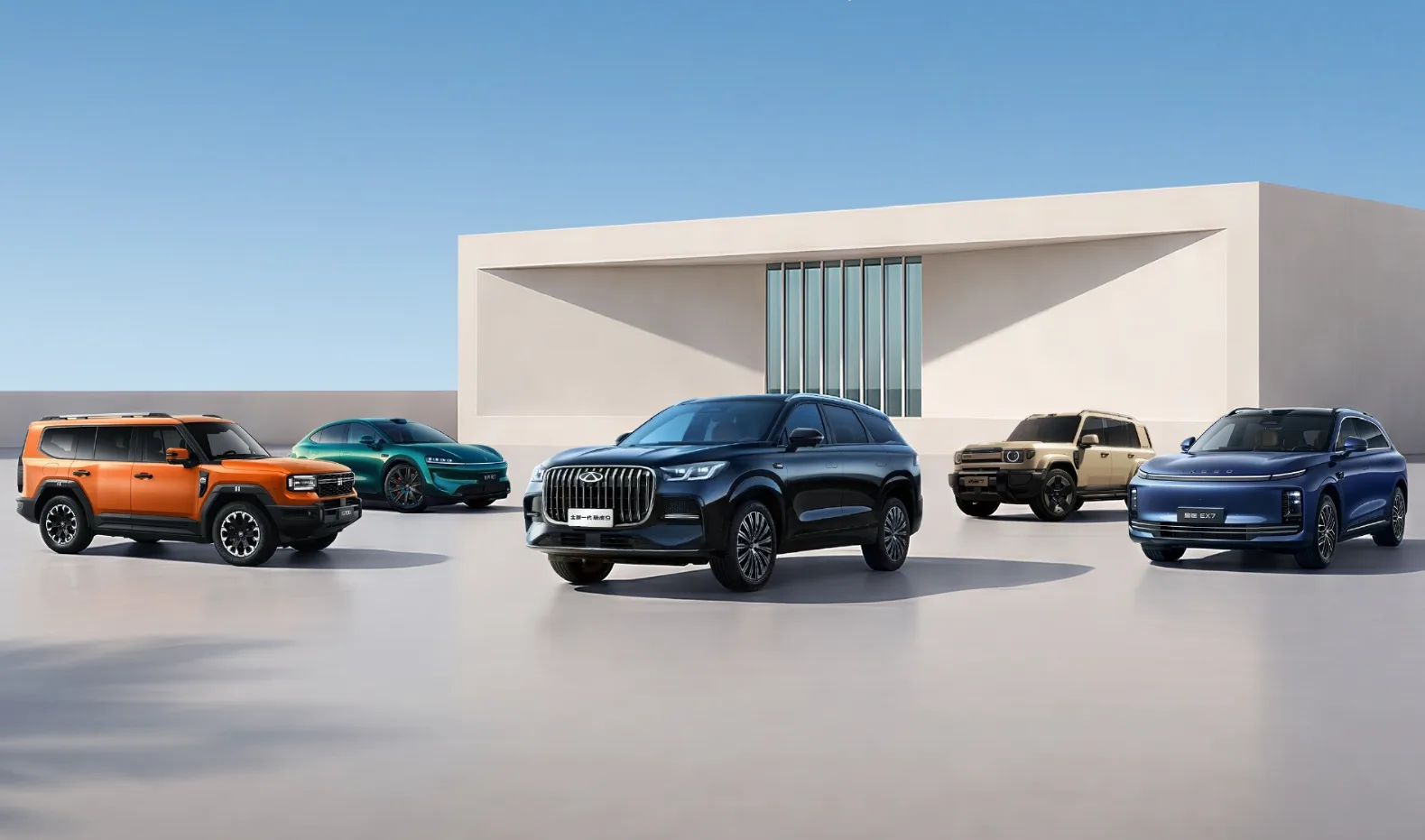 New energy vehicles are the biggest growth driver. July NEV exports hit 540,000 units, up 85% year-over-year, with January through July totaling 2.96 million units, up 72%. Chery surpassed 200,000 monthly exports in July, becoming the first Chinese automaker to cross that threshold. BYD’s July wholesale volume reached 410,600 units, including 173,700 exports. Geely posted two consecutive months above 100,000 exports, with NEVs making up 59% of its overseas shipments.
Export destinations now span the CIS countries, Southeast Asia, the EU and UK, Africa, and North America. Chinese automakers have moved well beyond relying on any single market.
The import side tells a story of structural collapse, not just a temporary dip. July import retail sales were only 27,000 units, down 40% year-over-year, a much steeper decline than the 13% drop in import volume. Dealers are clearing inventory, not restocking. High-value all-wheel-drive SUVs took the hardest hit.
January through July BEV imports fell 34% and PHEV imports fell 57%. Japan remains the largest source country at 23,587 units in July, followed by Germany at 7,479 and the US at 4,855. Lexus, Mercedes, and BMW top the luxury import sales ranking, but their share keeps shrinking.
A 25-to-1 ratio is worth pausing on. Ten years ago China was one of the world’s largest auto import markets, with German, Japanese, and American brands lining up to get in. Now that same market absorbs just 43,000 imported vehicles a month, less than a quarter of what BYD alone exports.
Chinese consumers no longer need imported cars as a quality benchmark, and Chinese-built vehicles are increasingly becoming the choice for consumers in other countries.